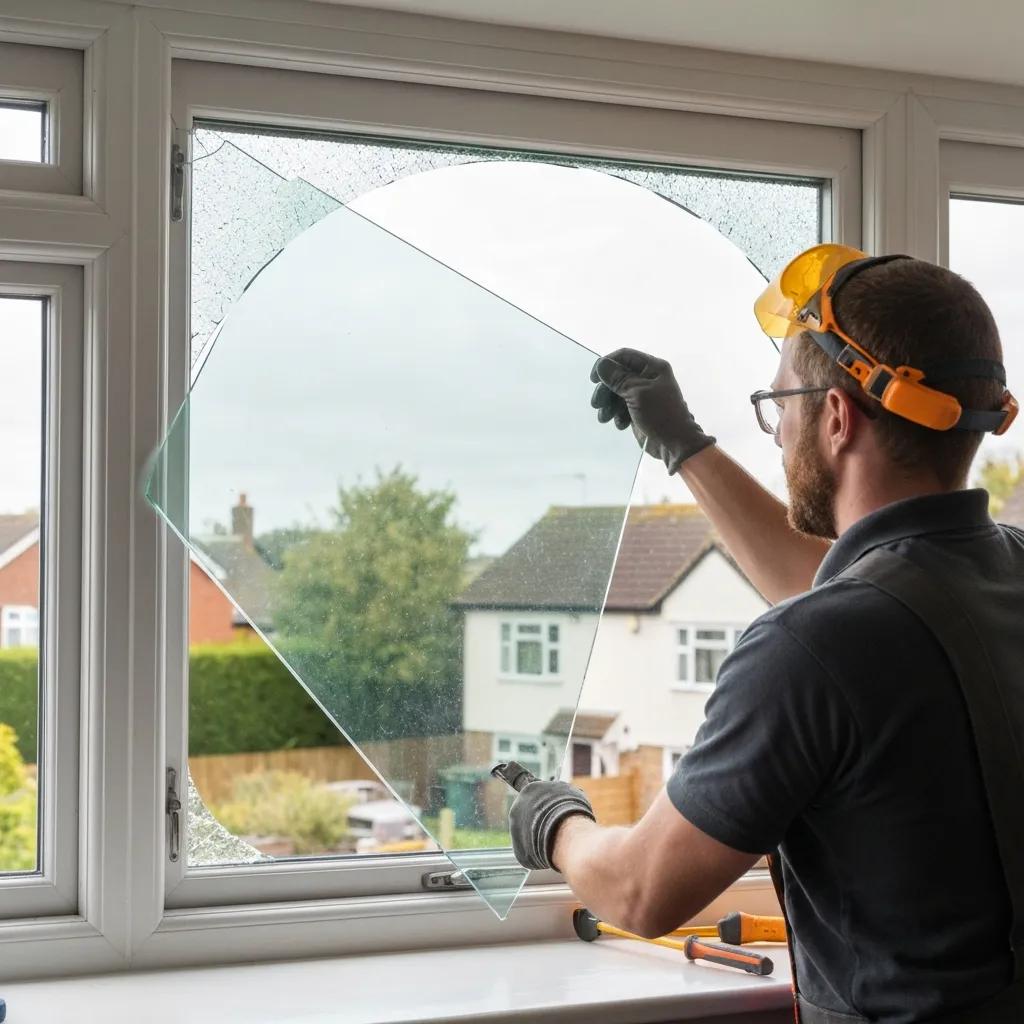
Window and door glass faults can hit comfort, security and energy bills — but most common problems are fixable without replacing the whole window. This guide walks through the issues we see most in Sussex — blown double glazing, misted panes, cracked glass, worn hinges and faulty locks — and explains how targeted repairs restore safety, performance and thermal efficiency. Read on to learn how to spot faults early, which repair routes are available for sealed units and hardware, when emergency measures are needed, and how energy-efficient upgrades can extend a window’s working life. Practical steps, decision checklists and comparison tables help you weigh pane replacement against full-frame renewal, understand likely timescales and anticipate costs. Where relevant we add local context for Sussex properties so you can decide when to call a local glazing specialist for an inspection or quote.
Homes and businesses across Sussex tend to show the same set of glazing faults that reduce insulation, create security risks or present safety hazards. These include failed sealed units (blown double glazing), cracked or shattered panes, corroded or stiff hinges and friction stays, malfunctioning multi-point locks, and perimeter seal or draught problems that allow water ingress. Knowing the usual causes helps you prioritise repairs: many failures start with seal degradation, thermal stress, mechanical impact or simple wear of moving parts. Fixing root causes restores function and extends life. Below are the typical issues, what they do and why early action matters to avoid bigger bills later.
Left unchecked these faults usually worsen and can turn a simple repair into a full replacement. Catching problems early preserves insulation and prevents structural damage.
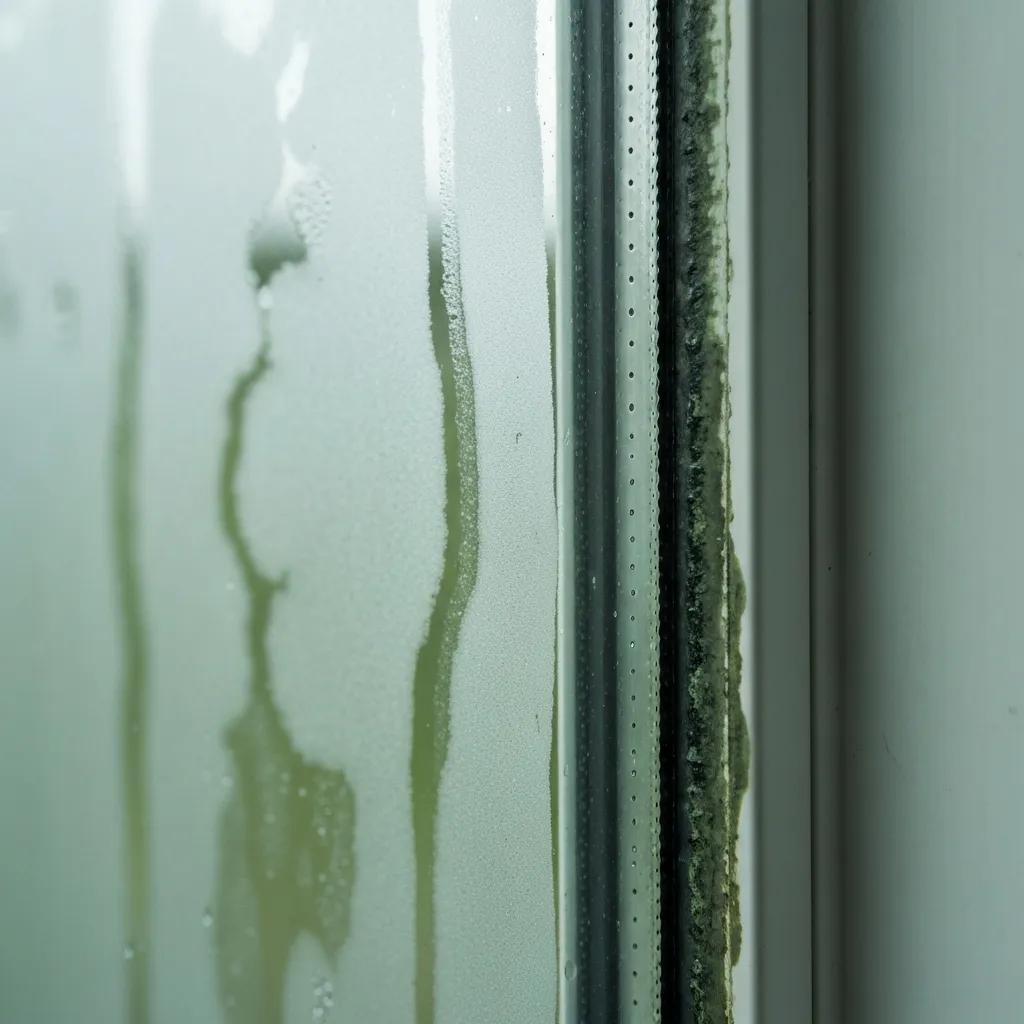
Blown double glazing shows up as persistent misting or condensation trapped between the panes of a sealed insulated glass unit (IGU). You may also spot edge corrosion or a persistent grey haze that won’t clean off. Those signs point to a failed perimeter seal letting humid air into the cavity, which quickly reduces thermal performance and clarity. Typical causes are ageing seals, failed spacer bars, impact damage, sash movement or repeated thermal cycling that stresses the unit. A careful inspection — checking for steady internal condensation, rust at the spacer edge and, where available, thermal imaging — confirms the issue and helps decide whether a sealed unit replacement is enough or if full-frame work is needed.
Finding a blown unit early limits heat loss and reduces the risk of secondary problems such as frame rot or mould, so speedy remedial action usually gives the best outcome and lowers long-term disruption and cost.
Performance of Sealed Double-Glazing Units: Durability Factors
The performance of sealed double-glazing units depends on the glass, spacer material, gas fill and the sealants used. When seals degrade, moisture can enter the unit, causing fogging and reduced thermal performance. Factors such as thermal cycling, UV exposure and mechanical stress influence long-term durability.
It’s important to separate surface damage from structural failure. Surface scratches, small chips and cosmetic marks affect appearance but not safety; hairline cracks, spreading fractures and internal misting signal structural compromise and a higher risk of sudden failure. Cracks that spider across a pane or spread from an impact point indicate stress propagation and need a professional check for safety and security. Misted glass — condensation trapped inside an IGU — is a seal failure, not dirt, and won’t clear with cleaning; the unit needs repair or replacement to restore insulation. If a pane is fractured leaving loose shards or entry points, temporary boarding and prompt professional repair are necessary to protect people and property.
Fixing cracked or misted glass quickly lowers the chance of injury, stops moisture-related decay of frames and seals, and restores thermal performance and visual clarity.
When a sealed unit fails, the usual and most economical route is to replace the sealed unit (pane replacement) rather than the whole frame. That restores thermal performance and clarity with less waste and lower cost. Our typical process starts with a detailed inspection to confirm IGU failure and measure the existing unit. We then order a like-for-like sealed unit — matching spacer, gas fill and glass specification where possible. On the day of the work we carefully remove the old unit, check the frame for hidden damage, install the new unit using correct setting blocks and sealant, and finish with perimeter sealing and a quality check to ensure weatherproofing and smooth operation. Done properly this minimises disruption and returns thermal performance close to the original specification.
We apply this pane-replacement-first approach across Sussex — including Brighton, Hove, Lewes, Worthing, Eastbourne and Burgess Hill — emphasising bespoke sealed-unit matches and cost-saving repairs over wholesale frame changes. As a local, independent team we focus on replacing units where frames are sound to save customers money and reduce waste. For a no-obligation inspection and a tailored recommendation, contact Sussex Glazing Solutions for a glazing survey or quote.
Different sealed-unit types fail in different ways. The table below compares common failures, likely causes and typical outcomes after repair so you can weigh sealed-unit replacement against more extensive work.
This table summarizes common sealed-unit scenarios: what goes wrong and what to expect after repair.
Replacing the sealed unit is usually quicker and less disruptive than replacing frames and often recovers a substantial portion of the original insulation when the new unit is correctly specified and fitted.
Dual-Sealed Insulating Glass Units: Design and Material Factors for Longevity
Design choices and material selection — including sealants like silicone or polysulphide and spacer materials such as aluminium or galvanised steel — significantly affect the service life of dual-sealed insulating glass units. These factors influence resistance to degradation and failure.
Hinge and lock problems are mechanical and usually show clear signs before they cause major damage. Sash sagging, stiffness when opening or closing, misalignment that stops locks engaging properly, and visible corrosion on friction stays or hinge pins all mean it’s time for professional attention. Fixing these symptoms promptly restores safe operation, reduces draughts and prevents stresses that can harm frames or sealed units. Simple maintenance — tightening screws, lubricating pivots and adjusting striker plates — may help short term, but worn friction stays, stripped threads or damaged multi-point gearboxes usually need component replacement or adjustment by a qualified glazier.
Quick DIY checks before you call a pro:
These simple checks help you decide if a temporary tweak will do or if you should schedule a professional repair to prevent further issues.
Hinge problems usually show as operational faults that are easy to spot: a sash drooping to one side, difficulty lifting or sliding an opening sash, unusual creaks or grinding, and visible wear or rust on friction stays and hinge pins. These signs mean balance and control are compromised; if ignored they speed up frame wear and can put extra strain on sealed units and seals. A professional can determine whether hinge pads, friction stays or full hinge assemblies need replacing, or if realignment will restore smooth motion. Timely hinge repair prevents further structural damage and keeps windows safe and reliable.
Routine checks and early fixes lengthen hardware life and reduce the chance of sudden failure that could leave a window unusable or unsafe.
Repairing or adjusting window locks, especially multi-point systems, improves both security and weather performance by ensuring locking points engage properly and seals compress evenly. A working lock reduces the risk of forced entry, reassures insurers and cuts draughts that drive up heating bills. Misaligned locks leave windows vulnerable and may affect insurance cover in some cases. Lock repairs usually involve adjusting keepers, replacing worn rollers or keepers, and fixing internal spindle or gearbox faults to restore full engagement and smooth action. After lock work you should notice tighter seals, easier operation and better overall security.
Lock repairs are often cheaper than full replacements and let you keep existing frames and hardware where possible, reducing disruption and waste.
The quick-reference table below maps common hinge and lock components to typical faults and recommended actions so you can see when a professional replacement is needed.
This table helps identify hardware faults and suggests the most appropriate action to restore function and security.
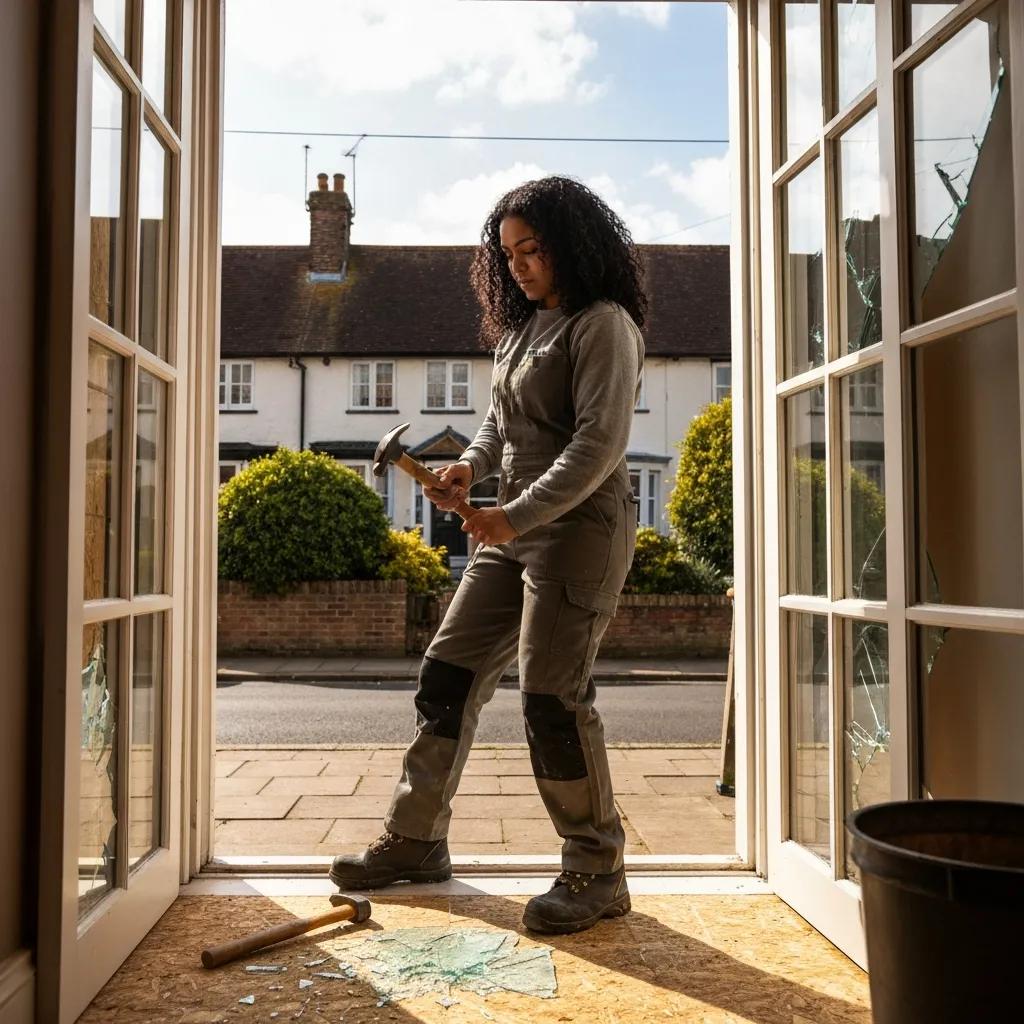
Emergency window repair is needed when glass damage poses an immediate safety risk, allows unauthorised access, or when weather exposure threatens the interior. Your choice between temporary measures and permanent repairs depends on urgency and severity. Common options are emergency boarding to secure an opening, temporary glazing to restore basic weatherproofing and security, or priority replacement of the sealed unit or pane where a permanent fix is possible quickly. A rapid on-site triage checks whether the frame is structurally sound and whether a temporary patch will hold until a full repair can be scheduled. Put safety first: clear people from the immediate area, contain loose panes and secure the property, then arrange professional emergency support.
These options balance speed and durability: boarding is fastest for security, temporary glazing restores weatherproofing quickly, and priority replacement delivers the long-term fix when parts and time allow.
Sussex Glazing Solutions offers emergency response across Sussex and can arrange same-day triage to secure properties and plan permanent repairs. Our emergency workflow begins with an on-site safety assessment, includes boarding or temporary glazing where needed, and schedules a follow-up replacement or repair. For urgent help in Brighton, Hove, Lewes, Worthing, Eastbourne or Burgess Hill, contact Sussex Glazing Solutions for an emergency survey and advice on securing your property.
Emergency repair is necessary when broken glass creates an immediate hazard to people, when an opening allows unauthorised access, or when severe weather will quickly cause interior water damage. Signs include shattered glass with exposed edges, complete pane loss, major frame damage or a security breach after forced entry. In these situations, prioritise safety and property protection: clear the area, use protective coverings to reduce injury risk and, where possible, secure the opening with temporary boarding. After those initial steps, call a professional to arrange permanent repair, restore security and plan a lasting solution.
Swift protective action buys time and prevents escalation while a professional assesses the correct permanent treatment for the glazing fault.
We manage emergency glazing incidents with a structured response that starts with rapid contact and on-site triage to assess risk and appropriate temporary measures. Our priority is the safety of occupants and property: we implement boarding or temporary glazing as required and then schedule a permanent repair or sealed-unit replacement once parts and access are available. We’ll explain interim steps clearly and give an estimated timescale for the full repair. This approach reduces immediate risk while setting out a practical plan to restore full functionality with minimal delay.
By combining fast triage, effective temporary measures and planned follow-up work, our emergency service limits downtime, prevents extra damage and delivers a durable restoration.
Upgrading to energy-efficient glass improves thermal comfort, cuts heat loss and can reduce energy bills — and it often reduces condensation while lengthening window life. Common upgrade options include low-emissivity (low-E) coatings, argon or krypton gas fills between panes, and moving from double to triple glazing where the frame can take the extra weight. Each choice changes thermal performance (measured by U-value) and affects cost, appearance and frame load. Looking at the building’s needs, the condition of existing frames and the likely payback period will tell you whether a glass upgrade makes sense for your Sussex property.
Main energy-efficient upgrade options:
Each option improves indoor comfort and can be matched to budget and performance goals, making glass upgrades a practical route to long-term savings.
Energy-Efficient Window Design: Optimizing Glazing for Building Performance
This study looks at how glazing elements — U-value, visible light transmission and solar heat gain — affect building energy performance. Optimising these parameters is important for reducing heating and cooling loads.
The table below compares common upgrades, their performance traits and expected benefits to help you weigh the trade-offs.
Energy-efficient glass lowers heat loss, improves comfort and often reduces heating bills — particularly in poorly insulated properties — and over time these savings can offset the initial cost. Better glass reduces interior condensation and raises surface temperatures at the window, helping prevent mould and reducing stress on seals so sealed units last longer. Upgrades can also improve acoustic performance and make a property more attractive to buyers. Exact savings depend on construction and usage, but targeted upgrades — for example fitting low-E units where heat loss is greatest — deliver tangible benefits without the disruption of full replacement.
Choosing the right mix of coatings, gas fills and spacer technologies tailors outcomes to the property and supports longer-term durability and sustainability goals.
Improved thermal performance reduces temperature differences across the window, which lowers thermal cycling stress on seals and frames — key causes of seal failure. Well-specified IGUs with warm-edge spacers and proper gas fills help control internal humidity and reduce condensation that can rot frames and corrode hardware. The result is fewer failures, longer intervals between interventions and a steadier internal environment. Upgrades also reduce the load on heating systems and make indoor temperatures more consistent, improving comfort and potentially lowering long-term energy use.
Targeted glass upgrades therefore both raise immediate comfort and slow the processes that lead to long-term glazing deterioration.
Door glass repairs differ from window work because door glazing is often integrated with locks, thresholds and structural panels — which affects complexity and security. Door glass may need bespoke sizes, bonded seals or security glazing to meet safety standards. When a glass panel is part of a locked door, repairs must consider lock compatibility and are often coordinated with lock servicing to ensure secure operation on completion. Whether to repair or replace depends on frame damage, the condition of security hardware and the requirement for safety-rated glass.
Working with a glazier who understands these door-specific factors reduces the risk of repeat work and ensures replacements meet both functional and security needs.
Door glazing frequently involves larger panels, laminated or toughened safety glass and integration with locks and thresholds, so installation tolerances and security requirements differ from typical window work. Door panels may need bonded installation, special glazing beads or bespoke trims to keep weatherproofing and security intact. Repair costs and times can therefore differ from window jobs, and technicians may coordinate lock or frame adjustments alongside glass work. Knowing these differences helps property owners expect a slightly different process and possibly additional components in door repairs.
Because door repairs often tie into security hardware, they commonly combine glass replacement with mechanical adjustments to restore full function.
Replacement is recommended when structural damage compromises the door frame, when security glazing standards must be met (for example after forced entry), or when the glazing is part of sealed or bonded composite panels that can’t be repaired in situ. Severe frame distortion, persistent water ingress around thresholds or cracks extending into bonded zones usually require full replacement to ensure long-term safety and performance. When door glass forms part of decorative or sealed composites with failed perimeter seals, replacement restores consistent weatherproofing, security and appearance. Choosing replacement over repair is the responsible choice when safety, security or long-term durability are at stake.
Putting safety and security first avoids repeated temporary fixes and delivers a more reliable long-term solution for door glazing faults.
For reliable inspections, repairs and energy-efficient upgrade advice in Sussex, contact Sussex Glazing Solutions. We work across Brighton, Hove, Lewes, Worthing, Eastbourne and Burgess Hill and offer tailored surveys, prioritised emergency triage and a pane-replacement-first approach that often saves customers money compared with full-frame replacement. Request a survey or quote to find the best repair route for your property.
Condensation between the panes usually means the sealed unit’s perimeter seal has failed and moisture has entered the cavity — commonly called blown double glazing. This reduces thermal efficiency and clarity. Contact a professional glazier to check the unit and recommend whether the sealed unit needs replacing or another repair will restore performance. Early action can prevent further damage and improve energy efficiency.
Regular maintenance keeps locks reliable. Inspect for wear or misalignment, lubricate moving parts with a silicone spray (not oil), tighten loose screws and check that the mechanism engages smoothly. If problems persist — difficulty locking, stiffness or worn parts — call a professional to repair or replace components and maintain security.
Energy-efficient glass improves insulation, reduces heating bills and increases comfort. Low-E coatings and argon fills lower heat loss and can reduce condensation, which helps seals and frames last longer. Upgrades can also reduce outside noise and improve market appeal. Over time, the energy savings often offset the initial cost.
Replace hinges when there is significant wear such as rust, corrosion or mechanical failure that affects operation. Signs include a sagging sash, difficulty opening or unusual noises. Replacing worn hinges restores smooth operation, prevents further frame damage and improves security and energy performance.
In an emergency — broken glass or forced entry — put safety first. Clear the area, secure the premises to prevent unauthorised access and use temporary measures like boarding or plastic sheeting to protect against the weather. Contact a professional glazier immediately for a full assessment and permanent repair. Quick action reduces further damage and keeps people safe.
Decide based on damage extent. If glass is cracked but the frame and locks are sound, a repair or pane replacement may be enough. If the frame is structurally damaged, the glass is shattered, or security-rated glazing is needed (for example after forced entry), full replacement is likely the safer option. A professional inspection will confirm the best course of action.
Signs include visible cracks or chips, difficulty opening or closing, drafts or water leaks around the frame, condensation between panes or misaligned locks. These issues merit prompt attention to prevent further damage and to maintain safety, security and energy efficiency.
Dealing promptly with common window and door glass issues in Sussex improves safety, comfort and energy efficiency while keeping long-term costs down. By recognising signs such as blown double glazing and cracked panes you can make informed decisions and avoid unnecessary replacement. For tailored advice, reliable repairs and energy-efficient upgrades, contact Sussex Glazing Solutions for a comprehensive survey and practical recommendations. Let us help keep your windows performing at their best.
Sussex Glazing Solutions - Mobile Sticky Bar (WordPress Snippet)