
Common Window Problems Sussex Homeowners See — Practical Repairs and Local Advice
Across Sussex, many homes show the same window faults caused by age, coastal weather and everyday wear. Knowing the usual problems helps you prioritise repairs for safety, comfort and lower heating bills. This guide walks you through the typical faults we see in Brighton, Hove, Worthing and nearby towns, explains why they happen, and gives clear, practical steps you can take right away. You’ll learn how draughts, condensation and blown units form, how to spot failing locks and hinges, why frames rot or corrode near the sea, and when repairing is smarter than replacing. Each section mixes simple checks you can do yourself, sensible DIY triage and the signs that mean you should call a professional — so you can act with confidence and keep disruption to a minimum.
What Are the Most Common Window Problems in Sussex Homes?
The faults we meet most often in Sussex include draughty windows, condensation or blown sealed units, sticking sashes, failing locks and hinges, and frame rot or coastal corrosion. Each one has a mechanical or environmental cause. Left unattended these issues reduce comfort, increase heating costs and can create security or mould risks. The short list below helps you identify what you’re seeing at home and sets out a few straightforward actions to try before calling in a tradesperson. After the quick triage there’s a compact comparison table to match symptoms with likely causes and immediate homeowner responses.
Top window problems Sussex homeowners see most often:
- Draughty windows: Gaps around the sash or worn seals let cold air in and heat out, creating chilly spots and higher bills.
- Condensation and blown double glazing: Mist between panes or persistent surface condensation points to failed seals or high indoor humidity.
- Sticking or jammed sashes: Swollen timber, misaligned frames or debris in the track stops smooth opening and closing.
- Broken locks and hinges: Worn or corroded hardware reduces security and can prevent a window from locking properly.
- Rot and coastal corrosion: Salt-laden air and constant moisture speed up timber decay, metal corrosion and UPVC seal failure.
The brief table below compares these problems by likely cause and the quick actions a homeowner can take to prioritise repairs.
This snapshot helps you match what you see to likely causes and short-term fixes, so you can plan longer-term repairs with confidence.
| Problem | Common Cause | Typical Effect & Quick Fix |
|---|---|---|
| Draughty windows | Worn seals, misaligned sashes, degraded weatherstripping | Heat loss and cold spots; fit foam or brush strips, check with a candle or hand for drafts |
| Condensation / blown unit | Failed IGU seals, high indoor humidity | Misted panes and mould risk; increase ventilation, run extractors and consider sealed unit replacement |
| Sticking sashes | Swelling (timber), debris, hinge misalignment | Hard to open/close; clean tracks, tighten screws and plane timber only if safe to do so |
| Broken locks/hinges | Corrosion, wear, impact damage | Security risk; use temporary bolts or auxiliary locks and arrange professional repair |
How Do Drafty Windows Affect Energy Efficiency and Comfort?

Draughts are gaps in your building envelope where warm indoor air escapes and cold outdoor air enters. Even small gaps around sashes and frames create air currents that carry heat away, and over a heating season this can noticeably increase your bills. You can spot draughts with your hand, a candle or a thermal camera, and often reduce loss with new weatherstripping, sash seals or secondary glazing. Where frames are warped, seals have failed or gaps are widespread, professional resealing or component replacement is usually needed to restore efficiency. Fixing draughts often reveals related issues — like condensation or blown units — because they commonly occur together where windows aren’t well sealed.
What Causes Condensation and Blown Double Glazing in Sussex?
Internal condensation happens when warm, humid air meets a cold glass surface. A blown double-glazed unit (a failed sealed unit) shows permanent mist between panes because the edge seal has failed and moisture has entered the cavity. In Sussex, cooler winters and coastal humidity can make indoor moisture worse and speed up seal wear, especially in older units. Short-term homeowner steps include boosting ventilation, running extractors in kitchens and bathrooms, and wiping visible moisture to prevent mould. If misting is inside the sealed unit, the reliable fix is sealed unit replacement — often you can replace the glass unit without removing the whole frame, keeping costs and waste down.
How Can You Identify and Fix Broken Window Locks and Hinges in Sussex?
Broken locks and hinges usually show simple signs: stiff or loose handles, misaligned locking points, visible corrosion or hardware that won’t secure the sash. Metal parts wear, fixings loosen and coastal salt accelerates corrosion, all of which affect security and weatherproofing. A short DIY checklist helps triage the problem — but if you see metal fatigue, missing keeps or snapped keys, get professional help straight away. Often, replacing the lock mechanism or refurbishing the hinge restores security while keeping the original frame in place, which saves time and money compared with full replacement.
If basic troubleshooting doesn’t fix the issue, arrange a specialist survey to compare a hardware replacement with any deeper frame work; many local firms offer no‑obligation assessments and written quotes for targeted repairs.
What Are the Signs of Faulty Window Locks and Door Lock Repairs?
Faulty locks behave in obvious ways: stiff or floppy handles, needing to slam a window to close it, worn locking points, or difficulty turning a key. These point to mechanical wear rather than cosmetic damage. Temporary measures include sash bolts, auxiliary locks or tightening visible fixings to keep the property secure until a professional completes a safe repair. A survey will check lock alignment, spindle action and the condition of keeps; if corrosion or heavy wear is present we often recommend replacing the lock or upgrading to a multi‑point system. Acting early prevents security problems and usually keeps costs down.
When Should You Replace or Repair Window Hinges for Smooth Operation?
Hinge faults show as stiff opening, sagging sashes or misalignment that stops a window locking. Causes include worn pivot points, loose fixings or corrosion. Start with a stepwise check: clean tracks, lubricate moving parts, tighten screws and inspect for rust. If the sash remains out of line or the frame is damaged, hinge replacement or professional realignment is the next step. Replacing hinges or components is usually far less disruptive and cheaper than swapping the whole frame when the frame itself is sound. For coastal homes, specifying corrosion‑resistant hinges pays dividends in lifespan and smoother operation.
Why Do Window Frames Rot and Corrode in Coastal Sussex Areas?
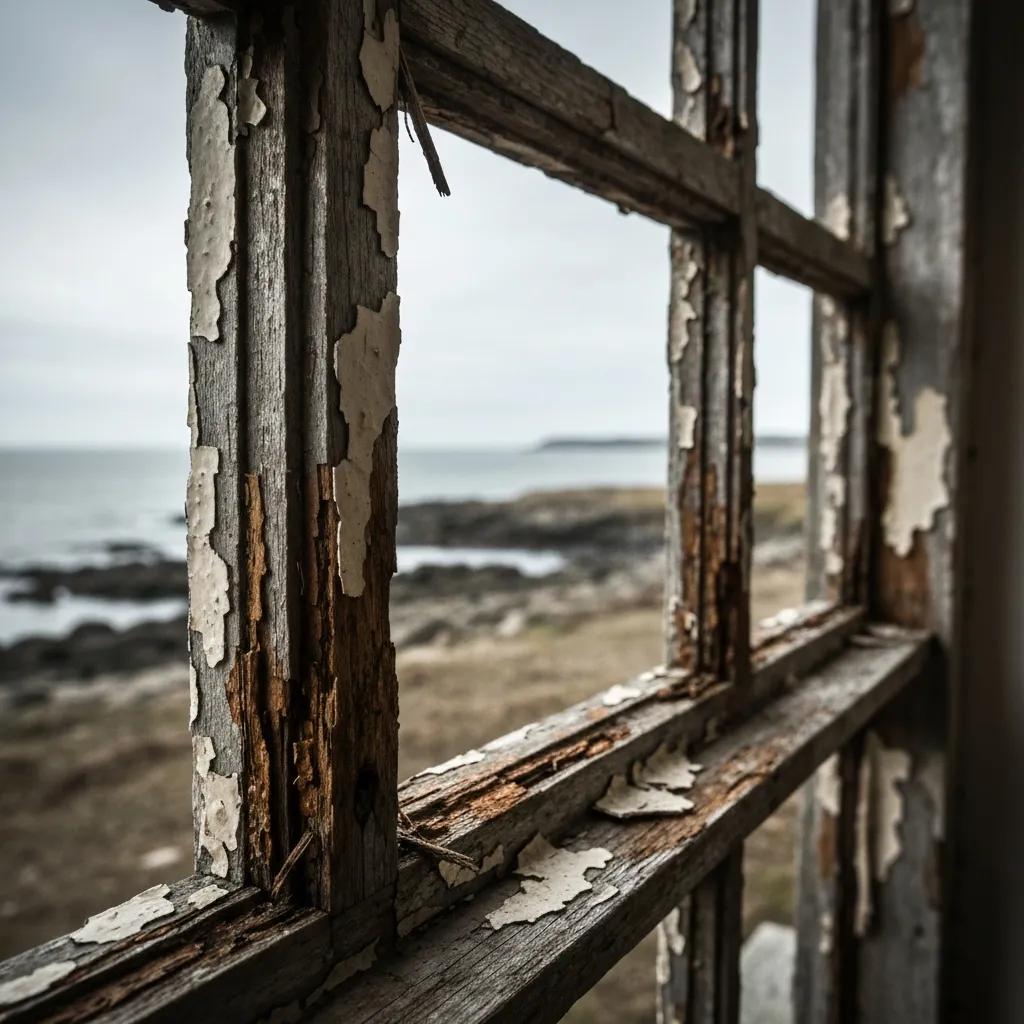
Coastal Sussex exposes window materials to salt spray, constant moisture and wind-driven rain, which accelerates wear. Salt speeds up metal corrosion, draws moisture into timber and weakens sealants, undermining sealed units and weatherproofing. The result can be reduced structural strength, poor seals, leaks and unsightly damage — all of which affect security, insulation and operation. Repairs depend on the material: timber can be consolidated or have rotten sections spliced out; aluminium benefits from corrosion treatment and renewed fixings; UPVC often needs fresh seals and reinforced hinge attachments. Choosing the right materials and staying on top of maintenance cuts the chance of repeat problems in coastal properties.
This passage highlights how coastal conditions accelerate material degradation and why correct material choice and maintenance matter for durability.
Sustainable maintenance approaches for timber window defects
ABSTRACT: Regular maintenance and targeted repair of existing window systems saves resources and energy. The study lists common defect types in wooden windows, evaluates causes and severity, and proposes a maintenance planning method using tools such as AHP and Six Sigma to prioritise interventions. Experts scored defects and the method helps select the best maintenance actions based on severity and resource use.
A planned maintenance approach — especially for wooden windows — can significantly reduce problems and contribute to long‑term energy savings.
How Does Coastal Corrosion Affect Window Durability and Security?
Coastal corrosion weakens fixings, hinges and locks and erodes seals that keep windows watertight and thermally efficient. Early signs include pitting on metal parts and soft patches in timber; if ignored, corrosion can let critical fixings fail and make forced entry easier. When corrosion is present, prioritise repairs that restore both structure and sealing — for example replacing corroded fixings, treating affected metal and renewing seals — and follow up with protective coatings and a maintenance schedule to delay future issues.
What Are the Best Repair Options for Rotten or Corroded Window Frames?
Repair choices range from consolidation and splice repairs to partial restoration or component replacement; the right option depends on how much material is lost and whether the frame remains structurally sound. For timber, consolidants and splices can preserve original frames where rot is limited; aluminium often needs replacement fixings and anti‑corrosion finishes; UPVC usually benefits from new seals and reinforced hardware. Repairing rather than replacing keeps embodied carbon and waste down and is typically cheaper when the frame’s core is intact. When decay is widespread or you want a major performance upgrade, full replacement may be the sensible long‑term choice.
When Should Homeowners Repair Windows Versus Replace Them in Sussex?
Deciding whether to repair or replace depends on the extent of damage, energy loss, security concerns, disruption and environmental impact. Small component faults usually favour repair — swapping a sealed unit, renewing locks or splicing timber are lower cost and low‑waste options. Replace when frames are beyond repair, when you want a substantial thermal or acoustic upgrade, or when repeated fixes show diminishing returns. Use the checklist below to weigh up the options for your home.
Use the short decision checklist to choose repair or replace:
- Extent of damage: Repair localised faults; replace for widespread structural decay.
- Energy performance: Replace sealed units if frames are sound; choose full replacement if you need a whole‑frame thermal upgrade.
- Security and safety: Repair locks/hinges when effective; replace the frame when hardware cannot be reliably restored.
To help weigh cost, lifespan and environmental impact, the compact table below summarises the main options.
| Option | When to Choose | Cost Range / Environmental Impact |
|---|---|---|
| Repair (pane/component) | Localised failure, sound frame, want minimal disruption | Lower upfront cost; modest carbon impact; extends service life by years |
| Partial restoration | Moderate frame damage or targeted sections | Mid-range cost; less waste than full replacement; good long-term ROI |
| Full replacement | Extensive decay or major performance upgrade desired | Higher cost; greater embodied carbon; longest lifespan when specified correctly |
At Sussex Glazing Solutions we usually favour repair‑over‑replacement where it makes sense — replacing panes or components rather than whole frames keeps costs and waste down while restoring performance. Our local surveys focus on minimising disruption and maximising longevity through targeted repairs and sensible upgrades.
What Are the Cost and Environmental Benefits of Window Repair?
Repairing rather than replacing full frames saves money by limiting work to the failed components — sealed units, locks, hinges or small timber sections — and avoids costs linked to removing and refitting whole frames. Environmentally, repairs reduce material waste and embodied carbon because fewer new materials are needed and existing frames stay in service. In coastal towns, where frequent replacements would create a lot of waste, repairs are often the better choice. While prices vary, pane or hardware replacement is typically a fraction of the cost of a full frame swap and gives a strong return when the frame is structurally sound.
How Does Sussex Glazing Solutions' Repair-Over-Replacement Approach Save Money?
We prioritise sealed unit replacement, hinge and lock refurbishment and targeted frame splices where appropriate to restore performance without removing complete frames. That approach cuts material and labour costs, reduces time on site and sends less waste to landfill compared with full replacements. We offer free surveys and no‑obligation assessments so you know likely costs and outcomes before committing to work. Targeted repairs often deliver the same practical result — weatherproof, secure and energy‑efficient windows — at a lower overall cost and environmental footprint.
How Can Upgrading Glass Improve Energy Efficiency and Noise Reduction in Sussex Homes?
Upgrading glazing improves thermal comfort and reduces external noise by replacing old single or low‑performance double glazing with modern sealed units, Low‑E coatings or acoustic laminates. Better cavity insulation, low‑emissivity coatings and laminated glass layers all help keep heat in and sound out, delivering measurable savings and a quieter home. When choosing upgrades, consider coastal suitability — some spacer systems and sealants resist salt and condensation better than others. The table below compares common options and their suitability for Sussex coastal and urban settings to help you pick the right upgrade.
| Glass Type | Benefit | Energy/noise estimate & coastal suitability |
|---|---|---|
| Low-E double glazing | Reduces radiant heat loss | 10–30% energy saving vs old single glazing; suitable for most coastal sites |
| Acoustic laminated glass | Reduces noise transmission | 6–10 dB typical reduction; ideal for busy roads and seaside fronts |
| Triple glazing | Highest thermal performance | Greater U‑value improvement; heavier and best for cold‑exposed locations |
What Are the Benefits of Energy-Efficient and Acoustic Glass Upgrades?
Energy‑efficient glazing lowers heat loss with better U‑values and Low‑E coatings, which usually leads to lower heating demand and fewer cold spots — many homeowners notice lower fuel use after upgrading. Acoustic glass dampens intrusive noise from traffic or the seafront through laminated layers or larger cavities, improving sleep and daily comfort. Both upgrade types can raise property appeal and match well with broader energy efficiency plans. Choose systems that suit your frames and offer coastal resistance for the best long‑term performance.
How Do Glass Upgrades Help Combat Sussex's Coastal Weather Challenges?
Good glass and spacer choices resist salt and moisture by using corrosion‑resistant spacers, stainless fixings and durable sealants that limit condensation and seal failure. Low‑maintenance edgework and long‑lasting sealants reduce the chance of blown units in salty environments. Regular inspection and timely resealing keep upgraded glazing performing well, and specifying the right acoustic or thermal performance helps homes stay comfortable despite wind and sea spray. Understanding how materials interact with local climate reduces repeat repairs and extends service life.
What Are the Top Tips for Maintaining Windows and Preventing Common Problems in Sussex?
A simple seasonal maintenance routine will prevent most common window problems and extend life: clear drainage channels, lubricate moving parts, check and renew seals, remove debris from tracks and watch for early rot or corrosion. Regular checks catch small faults before they become expensive repairs — this is especially important in coastal properties where salt speeds up wear. The short checklist below gives practical tasks and suggested frequencies to keep windows running smoothly and securely.
Key maintenance checklist for Sussex homes:
- Monthly: Clear weep/drain holes, wipe down sills and clean tracks to prevent sticking.
- Quarterly: Lubricate hinges and locking mechanisms and check for loose screws and fixings.
- Annually: Inspect seals, sealed unit clarity and frame condition; arrange a professional survey if you spot corrosion or rot.
Regular maintenance reduces emergency call‑outs and protects long‑term performance; quick action on small issues usually keeps repair costs far lower than replacement.
How Can Regular Maintenance Prevent Drafts, Condensation, and Lock Failures?
Routine care tackles the root causes: clearing drainage channels stops water pooling and rot, lubricating hinges and locks keeps hardware moving freely, and checking seals prevents leaks that can lead to blown units or draughts. A monthly visual inspection combined with quarterly mechanical checks will greatly reduce the chance of sudden failures and preserve thermal performance. For coastal homes, rinsing external frames occasionally and reapplying protective coatings where recommended helps slow corrosion. These predictable actions keep windows working well and make it obvious when a professional intervention is needed.
When Is It Time to Contact a Professional Window Repair Service in Sussex?
Call a professional when you see escalation signs such as persistent condensation inside sealed units, structural frame rot, security failures despite temporary fixes, repeated sticking after maintenance, or visible corrosion of critical hardware. A professional survey will assess safety and security, compare repair versus replacement and provide a costed plan for a durable fix; many local firms offer free surveys and no‑obligation assessments to help you decide. For a local, no‑obligation assessment contact Sussex Glazing Solutions by phone at 01273 025 185 or email info@sussexglazingsolutions.co.uk; our office is at 2B Lower Yard, Station Business Park, Keymer Road, Hassocks, BN6 8JA.
Frequently Asked Questions
What preventive measures can homeowners take to avoid window problems?
Simple, regular maintenance prevents most window issues. Keep drainage channels clear, lubricate hinges and locks, and check seals regularly. Do a monthly tidy to remove debris and a quarterly check for loose fixings. For coastal homes, consider protective coatings on external timber or metal. Small, regular steps extend window life and reduce the chance of costly repairs.
How can I tell if my window frames need replacement?
Look for extensive rot, major corrosion or structural damage that affects operation. Big gaps, persistent drafts or windows that won’t open or lock properly are warning signs. If repairs are frequent and costly, replacement may be more economical. A professional assessment will confirm whether repair or replacement is the best route based on the damage.
What types of glass upgrades are best for coastal areas?
Choose glass and spacer systems designed to resist salt and moisture. Low‑E double glazing is a versatile choice that reduces heat loss and suits most coastal sites. Acoustic laminated glass helps where noise is a problem, such as seaside fronts or busy roads. Look for corrosion‑resistant spacers, stainless fixings and durable sealants for the best long‑term performance.
How often should I schedule professional window maintenance?
We recommend at least one professional check a year, particularly for coastal properties where wear is faster. Annual surveys let a specialist spot seal failure, corrosion and weakening frames before they become costly. If you notice condensation inside sealed units or repeated sticking, arrange an earlier inspection.
What are the environmental benefits of repairing windows instead of replacing them?
Repairing keeps existing frames in use, which reduces material waste and the carbon associated with manufacturing new windows. Repairs usually demand less energy and fewer new materials than full replacements, so they’re a greener option. Upgrading components can also improve energy efficiency and reduce household emissions over time.
Can I perform window repairs myself, or should I hire a professional?
Minor tasks like replacing weatherstripping or lubricating hinges are DIY‑friendly. But complex jobs — frame rot, structural corrosion or hardware replacement — are best left to professionals. Incorrect DIY repairs can make problems worse and more expensive to fix. If in doubt, get a survey from a reputable local company.
What should I do if I notice condensation between double-glazed panes?
Condensation between panes usually means the sealed unit has failed and is “blown.” The effective remedy is to replace the sealed unit; in many cases this can be done without removing the whole frame. Contact a professional for an assessment and a quote to restore thermal performance and stop mould or heat loss issues.
Conclusion
Knowing the most common window problems in Sussex helps you act early and avoid bigger bills. Deal with draughts, condensation and corrosion as soon as you spot them, and you’ll keep your home comfortable, secure and energy efficient. If you’d like tailored advice or a no‑obligation survey, contact a local glazing specialist — we’re here to help you choose the right, cost‑effective solution and keep disruption to a minimum.