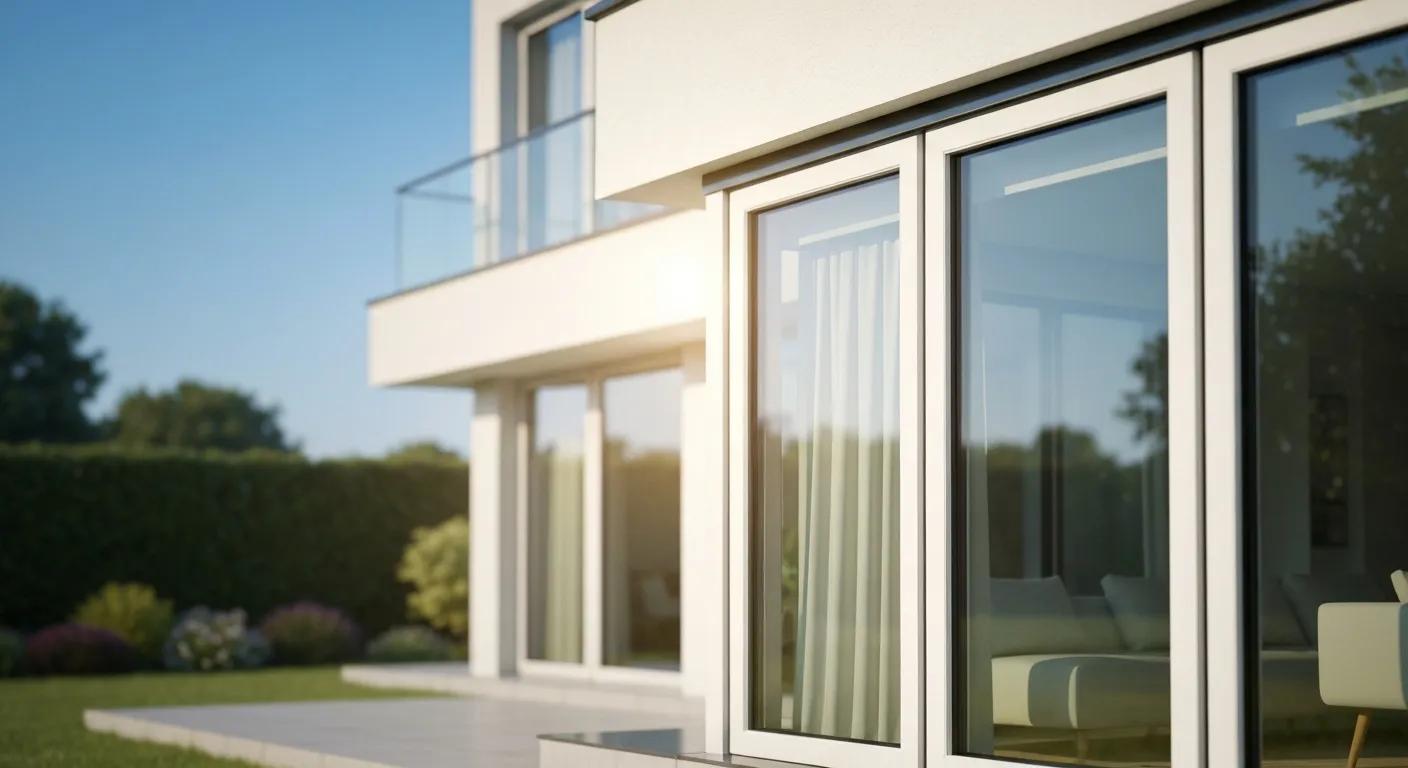
Faulty double glazing covers windows and doors whose sealed glass units or operating hardware no longer work as intended — most often because seals have failed, moisture has entered between panes, or hinges and locks have worn. This guide helps you spot blown or misted units, explains how mechanical faults affect comfort and security, and gives practical, Sussex-focused advice on repair, prevention and budgeting. You’ll find quick DIY checks, clear comparisons to help decide between repair and full replacement, and an outline of common services that restore insulation and operation. We also map typical price ranges, suggest maintenance routines to limit coastal corrosion, and answer the questions homeowners usually ask before calling a professional. Use the checklists, EAV-style tables and inspection tips below to diagnose most window problems in Sussex and make informed repair decisions.
Start by looking for visible symptoms and running a few simple tests to tell whether a fault is cosmetic, a failed sealed unit, or a mechanical problem. Frequent issues include misted or blown units from seal failure, cold spots and draughts caused by degraded weather seals, and sticking or misaligned sashes from hinge wear or corrosion. Catching faults early helps keep energy bills and security risks down, so do a quick visual and tactile check before booking a professional survey. The sections that follow list the main signs and include an EAV-style quick reference you can use to match symptoms with likely causes and urgency.
The most useful homeowner checks are: inspect for fogging and rust; touch the glass to locate cold spots; and operate each window and door to check smoothness and locking. These tests narrow down likely causes and help you prioritise repairs. Persistent fogging between panes or corroded spacer bars usually means a blown sealed unit and will need a specialist. If your checks point to a blown unit or serious hardware corrosion, contact a glazing specialist for measurements and a free survey.
Problems tend to follow patterns rather than appearing at random. Recognising those patterns makes it easier to decide whether a simple service (lubrication, lock adjustment) will do or whether a sealed-unit replacement is needed — we cover the repair options in the services section below.
Blown or misted units show as persistent clouding or condensation trapped between the panes — a diffuse fog, streaks or a film that won’t clear when you wipe the inner or outer glass. That trapped moisture means the IGU’s hermetic seal has failed (often due to degraded sealant or a corroded spacer bar), which reduces thermal performance and can look unsightly. You can tell surface condensation from a blown unit by wiping both sides of the glass — if the clouding stays, the seal has failed. If you spot fogging, photograph the pane and measure it where possible to speed up diagnosis when you speak with a pro.
Act sooner rather than later: a failed sealed unit lowers the window’s U-value over time and can encourage frame decay, especially in coastal locations. If you have fogging plus cold spots at the glass and rising heating bills, replacing the sealed unit is often the most effective fix. The next section explains how hardware faults differ and what operational tests to run.
Addressing Premature Failure in Insulating Glass Units
The methodology proposed in this paper aims to lay the groundwork for further addressing premature failure issues and optimizing edge bond constructions of multi-glazed IGUs.
Thermal-deformation behaviors of the primary sealants in double, triple, and multi glazed insulating glass units, Z Wang, 2024
Worn hinges, failing locks and damaged handles cause stiff operation, misalignment, draughts and reduced security — symptoms range from a sash that sticks to a door that won’t lock properly. These failures are usually down to wear on moving parts, corrosion (salt spray speeds this up in coastal Sussex), or lost adjustment in multi-point systems. Simple homeowner checks include opening and closing each window and door several times to feel for resistance, checking that locks engage smoothly, and looking for visible rust or bent keeps. Short-term fixes like lubrication or tightening screws can help, but persistent misalignment or broken parts needs a professional repair or replacement to restore security and weather-sealing.
If left unaddressed, mechanical faults let water in and raise heat loss, creating secondary damage to sills and frames. The EAV table below summarises typical symptoms, likely causes and recommended urgency so you can prioritise action.
When the frame is still sound and the fault is limited to the sealed unit or hardware, repair is usually the quicker, cheaper and greener option. Repair targets the failed component — replacing the IGU or renewing hinges/locks — so you keep the existing frames, avoid major disruption and restore thermal performance and security faster than with full frame replacement. Repairs produce less waste and embodied carbon, and many jobs can be completed in a single visit with minimal redecorating. From a performance point of view, fixing the problem element typically restores insulation almost immediately while conserving resources compared with full-frame replacements.
Repair isn’t always the right choice: extensive rot, severe warping or persistent thermal bridging may mean replacement is the sensible long-term solution. Choose repair when problems are isolated to glass or hardware; choose full replacement when the frame can no longer meet structural or efficiency goals. The next section explains a simple cost-comparison framework to quantify typical savings from repair versus replacement.
Repair choices also support local sustainability in Sussex by reducing construction waste near sensitive coastal habitats, and they allow you to upgrade glass (for example Low-E or acoustic laminates) without changing frames.
Repair saves money by fixing only the failing part rather than the whole window assembly. That cuts material and labour costs and avoids ancillary expenses such as disposal and redecoration. Typical cost drivers are the part (sealed unit or mechanism), labour to remove and fit, and any access or scaffolding needs; replacing an IGU is a fraction of the cost of replacing a full frame and unit. For instance, swapping a blown sealed unit in a sound UPVC frame usually costs a small percentage of a full replacement because work focuses on the IGU rather than the complete joinery. Repairs also reduce downtime and avoid high supply costs for bespoke frames.
That said, when frames are at the end of their life or many units need attention, replacement can be more economical over the long term — it delivers uniform U-values and longer warranties. When deciding, weigh frame condition, the number of affected units and performance goals; the environmental savings from repair add another reason to consider it first. The next subsection looks at the environmental angle in more detail.
Repairing windows cuts landfill waste and embodied carbon by extending the life of existing frames and avoiding the energy and materials needed for new joinery. Each replaced sealed unit or renewed hinge prevents the disposal of otherwise sound frames and lowers demand for new parts, reducing the carbon footprint from production and transport. In coastal areas like Sussex, limiting replacements also eases pressure on local waste systems and reduces vehicle movements tied to large projects. Over time, these local benefits add up.
Choosing repair where appropriate fits with circular-use principles and can yield ongoing energy savings, especially if the repair includes upgrading to Low-E coatings or argon-filled units. Those operational savings compound the initial environmental benefit of avoiding full-frame replacements, so repair is often the preferred first option when frames remain serviceable.
Professional glazing services cover everything from diagnostic surveys to sealed-unit replacement and hardware repairs, each tailored to the root cause and desired outcome. Typical steps begin with a survey and measurements, then proceed to replace the IGU, repair or replace locks and hinges, or upgrade glass for better thermal or acoustic performance. Technicians follow standard measurement, removal and resealing procedures to restore performance, returning U-values close to original where frames are sound. The table below helps homeowners match common issues to services and likely outcomes.
These services focus on repair rather than full replacement to keep costs and disruption down. Common offerings include misted-unit replacement, hinge realignment and part replacement, lock servicing and multi-point upgrades, and glass upgrades such as Low-E or acoustic laminated units. Aftercare checks confirm operation and weather-sealing, and reputable local firms provide free quotes or phone estimates so homeowners can decide with confidence.
Many Sussex providers have experience dealing with coastal corrosion, using parts and coatings suited to saline environments. If your DIY checks suggest a blown unit or extensive corrosion, Sussex Glazing Solutions offers free surveys and phone estimates and can carry out on-site diagnostics to confirm what’s needed.
Repairing blown or misted units starts with a diagnostic survey to check frame condition and get exact sealed-unit dimensions — accurate measurement is essential. The installer carefully removes the failed IGU while protecting the frame, fits a new factory-sealed unit (usually with modern spacers and desiccant) and reseals the reveal to restore weather-tight performance. Replacing a single unit typically takes a few hours to a day depending on access and any curing time; insulation and clarity should return to near-original levels as soon as the new unit is fitted.
Expect a final inspection where the installer checks the unit sits square, that trims are replaced correctly and seals are intact — this minimises the risk of future leaks. A properly executed sealed-unit replacement restores thermal performance without the cost and disruption of full frame renewal.
Lock repairs fix worn or misaligned components so multi-point systems engage correctly, and they range from part replacements to full multi-point upgrades that spread locking forces along the frame. Typical faults include broken latches, stripped gears and late engagement from misaligned keeps — all of which weaken security and can let in draughts. Repairs may involve adjusting keeps and strikes, replacing worn cylinders or gears, or fitting modern mechanisms designed to resist forced entry and last in coastal conditions.
Upgrading locks often restores security and peace of mind for less than the cost of replacing doors or frames. For high-security or commercial needs, full multi-point upgrades are recommended; for most homes, a targeted lock repair will be sufficient.
Hinge issues usually come from wear, lost lubrication or corrosion, with salt spray making metal parts fail faster in coastal locations. Repairs can include realigning sashes, replacing hinge pins or whole hinge units, re-tensioning friction stays, re-greasing moving parts and renewing adjacent weather seals. Where corrosion is present, installers often fit corrosion-resistant hardware or stainless/coated options and may recommend sacrificial coatings for extra protection.
A successful hinge service restores smooth movement, corrects sagging sashes and re-establishes even compression around seals — this reduces draughts and prevents extra wear on locks. Regular hinge checks and targeted replacements extend the life of the whole window assembly.
Upgrading glass — for example with Low-E coatings, argon-filled IGUs or acoustic laminated panes — improves thermal performance and reduces external noise by addressing different parts of the sealed unit’s performance. Low-E coatings reflect heat back into the room to improve insulation; argon fill lowers conductive heat transfer across the cavity; acoustic laminates add a dampening interlayer to cut transmitted noise. These upgrades can lower U-values, reduce heating demand and make busy streets or flats more comfortable.
Fitting upgraded glass into existing frames often delivers big comfort and energy gains for less cost and disruption than full replacements, but compatibility with the existing frame and sightline requirements should be confirmed during a professional survey.
Prevention is about routine maintenance and protection tuned to Sussex’s coastal climate: keep seals healthy, hinges and locks moving freely, and corrosion at bay. A simple schedule works well — clean seals monthly, lubricate moving parts quarterly and clear drainage channels and weep holes at least once a year. Properties exposed to the sea will benefit from more frequent checks; sheltered homes can follow an annual service. Regular inspections catch early corrosion or seal wear so targeted repairs remain cost-effective.
These routines help preserve U-values and security while cutting the likelihood of emergency repairs or full replacements. The list below highlights practical maintenance tasks homeowners can do and what to record for any professional visit.
To limit corrosion and seal failure, rinse frames and hardware with fresh water after salty weather to remove salt deposits, apply a light corrosion-inhibiting lubricant to metal moving parts, and check spacer bars and edge seals for early signs of deterioration. Use non-abrasive cleaners so protective coatings aren’t removed, and make sure drainage paths remain clear so water cannot collect at the frame base. For exposed Sussex locations, consider switching to stainless or specially coated hardware recommended by professionals to resist salt spray and extend service life.
Arrange a professional inspection after severe storms or big seasonal changes, and note any early rust or seal compression loss so timely repairs can be planned. These steps lower the chance of blown units and prolong the assembly’s usable life.
Regular checks catch small problems — loose screws, slight misalignment, worn weatherstrips — before they become sealed-unit failures or structural decay, protecting thermal performance and security. A simple inspection checklist should include testing operation, looking for gaps or draughts, examining seals and glazing beads, and listening for unusual noises when opening and closing. For most homes, an annual check is enough; for coastal or exposed properties, inspect more often. Keeping a log of findings and actions creates a maintenance record that helps with future repairs, warranty claims or insurance queries.
Frequent, straightforward inspections reduce emergency costs and let you plan and budget repairs rather than reacting under pressure. The next section outlines typical costs to help set realistic expectations.
Repair costs vary by job type and complexity — sealed-unit replacement, hardware repair and glass upgrades each sit in different price bands, influenced by size, glass specification and access. Key price drivers include unit size and glass type (standard IGU versus acoustic laminates), frame condition and any scaffolding or access equipment required for high or awkward installs. The transparent EAV-style table below summarises typical price ranges and the main factors you can expect in Sussex.
Knowing these ranges helps homeowners judge whether to repair, upgrade the glass or consider full replacement. Sussex Glazing Solutions offers free quotes and phone estimates to give accurate local pricing once you have measurements and photos from your initial checks.
Replacing a blown sealed unit is often one of the more affordable glazing jobs because it concentrates on the IGU rather than the frame. Prices scale with unit size and glass specification — standard sashes sit in the ranges shown above, while bespoke or acoustic units cost more. Quotes typically include measurement, supply of the factory-sealed IGU and installation but may exclude scaffold hire or structural frame repairs. Always confirm what’s included — materials, labour, sealant and warranty — so quotes are comparable.
Getting multiple estimates and a free survey from a local specialist helps ensure competitive pricing and avoids surprises from access or bespoke fabrication needs. The following subsection shows the main factors that increase or reduce the final price.
Parts availability, frame material (uPVC, aluminium, timber), labour time and emergency or out-of-hours call-outs are the primary variables that affect mechanism repair costs. uPVC parts are usually easy to source and cost-effective, while specialised aluminium or heritage timber components can be pricier or take longer to obtain. Accessibility matters — upper-floor or awkwardly sited units increase labour and safety-equipment costs — and extra services like re-sealing, repainting or weatherstrip replacement add to the bill. Warranties or guarantees influence perceived value and sometimes price.
Understanding these factors helps homeowners anticipate reasonable quote variations and choose the option that balances upfront cost, long-term performance and warranty cover.
Simple, regular maintenance makes a big difference. Clean seals monthly, lubricate moving parts every few months and clear drainage channels annually to stop moisture building up. Check for early corrosion or seal wear and carry out extra checks for coastal properties. Keeping a maintenance log helps you track issues and schedule timely professional inspections.
You can improve energy performance by upgrading to Low-E glass or argon-filled IGUs, ensuring seals are intact and eliminating draughts. Regular maintenance — cleaning, lubricating and checking seals — also helps. For tailored advice, ask a professional to survey your windows and recommend the best upgrades for your property and local climate.
First, identify the cause: look for seal failure or condensation between panes. Do a visual check for fogging or cold spots. If you find these signs, arrange a diagnostic survey with a glazing specialist. They’ll confirm whether a sealed-unit replacement or other repair is needed. Fixing insulation issues promptly saves energy and prevents further damage.
For minor problems you can do some basic DIY: lubricate hinges and locks, tighten loose screws, and clear drainage channels. But for blown sealed units or major hardware failures, call a professional — tackling complex repairs without the right tools or know-how can cause more damage.
Ignoring faults can lead to poorer energy efficiency, higher heating bills and security risks. A blown sealed unit can cause condensation that accelerates frame decay, and faulty locks or hinges compromise safety. Small problems can become costly, so timely action is important to avoid full replacements later.
Choose a local specialist with proven experience, particularly in coastal conditions like Sussex. Read reviews and testimonials, check they offer free surveys and clear pricing, and confirm they provide warranties for their work. A reputable installer will give you a transparent quote and explain the options.
Condensation can be surface condensation caused by high indoor humidity or trapped condensation between panes caused by seal failure. Surface condensation is solved by ventilation improvements; trapped condensation is a sign the IGU seal has failed and normally requires sealed-unit replacement rather than attempts to dry the cavity. Rule out surface condensation first by wiping surfaces and improving ventilation — if the fogging persists, document it and arrange a professional survey to confirm IGU failure and get a replacement quote.
Fixing the correct type of condensation quickly helps avoid secondary problems like frame swelling or mould and restores thermal efficiency when addressed properly.
A blown unit will show ongoing internal fogging or streaking that doesn’t clear when either side is wiped, often with a cold feel at the pane and sometimes higher heating use. Take photos from different angles and do a wipe test — if the fogging stays between panes it’s almost certainly a blown unit. For exact sizing and a reliable fix, book a professional measurement or free survey so the correct IGU is made and fitted.
Getting a survey ensures the right IGU is ordered and fitted, restoring clarity and insulation properly.
Repair is usually cheaper when faults are limited to the sealed unit or individual hardware and frames remain structurally sound. Replacement becomes more economical when frames are decayed, warped or repeatedly failing. The right choice depends on frame condition, how many units are affected and your long-term energy goals. A targeted IGU replacement or hardware repair is a fast, lower-cost option for isolated problems. Get a free survey to compare expected lifespans and warranties for repair versus replacement and weigh short-term savings against long-term performance.
If you want to proceed with repairs or need a professional assessment, Sussex Glazing Solutions can provide a free on-site survey or a phone estimate at 01273 025 185 to help plan the work and budget appropriately.
This is the final section of the guide; if you need an on-site assessment or a phone estimate to confirm any diagnosis, call Sussex Glazing Solutions at 01273 025 185 for a free survey and professional advice.
Fixing faulty double glazing in Sussex improves comfort, security and energy efficiency. By recognising the signs and knowing when to repair rather than replace, you can save money and reduce environmental impact. For tailored solutions and expert help, call a local professional for a free survey and quote. Take the first step to restore your windows — contact Sussex Glazing Solutions today.
Sussex Glazing Solutions - Mobile Sticky Bar (WordPress Snippet)