fix window hinge, repair window hinges, sussex glazing solutions, window hinge repair brighton, window hinge repair near me
Understanding Window Hinge Mechanics: How They Work
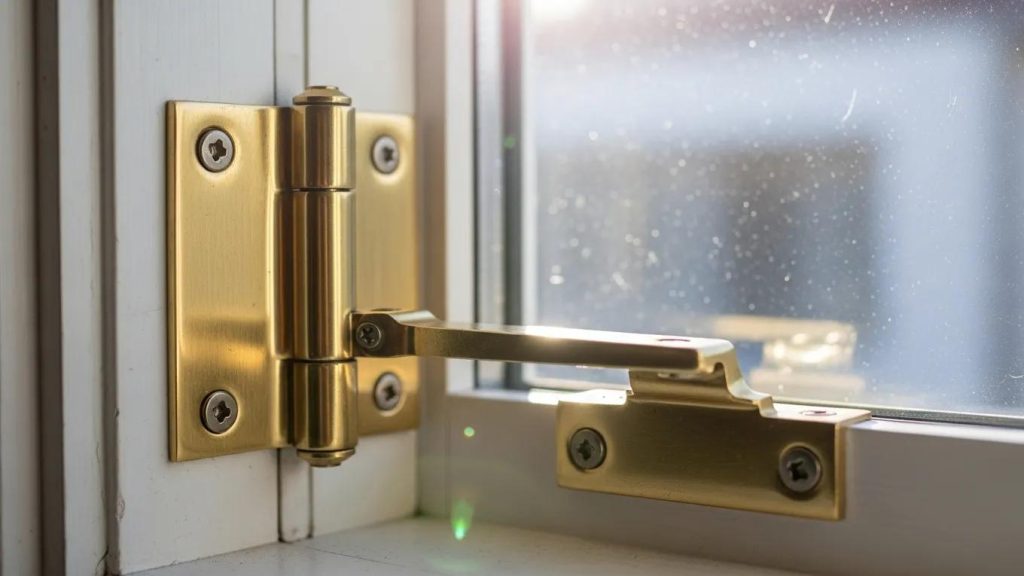
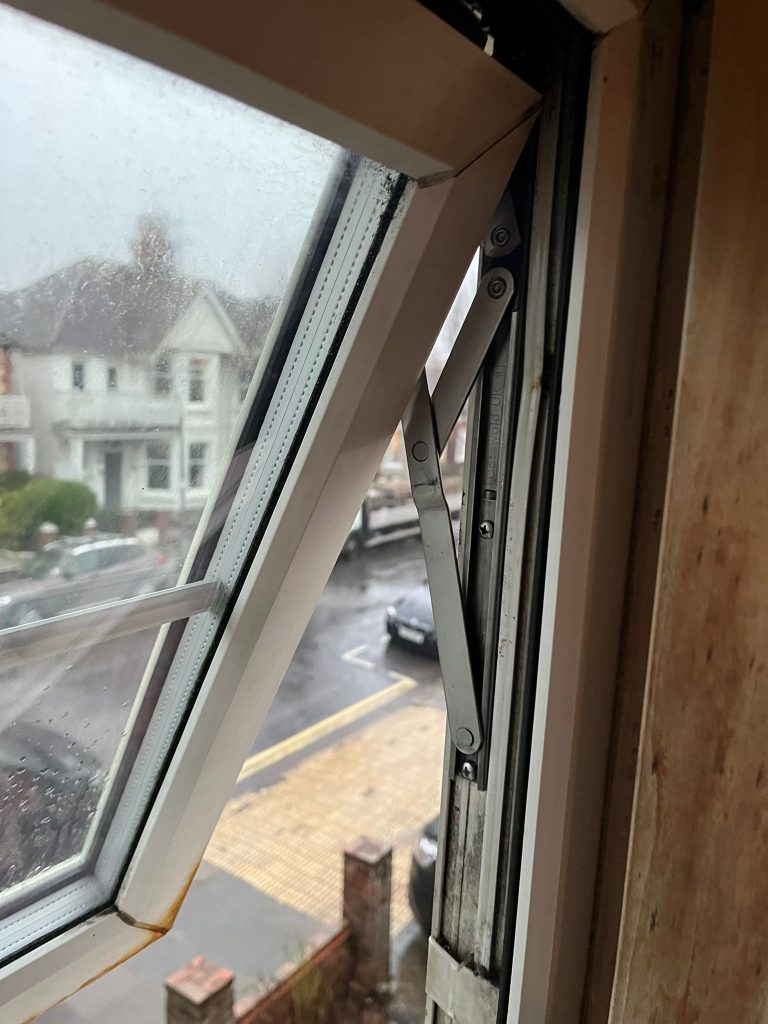
Window hinges are critical components that facilitate the smooth opening and closing of windows. Understanding how these mechanisms operate can help homeowners recognize when repairs are necessary, ensuring optimal functionality and longevity of their windows.
Most window hinges are designed to support the weight of the window while allowing it to pivot or slide. Regular maintenance, such as lubricating hinges and checking for wear, can prevent common issues like sticking or misalignment, which can lead to more significant problems over time.
Common Window Hinge Problems and Their Solutions
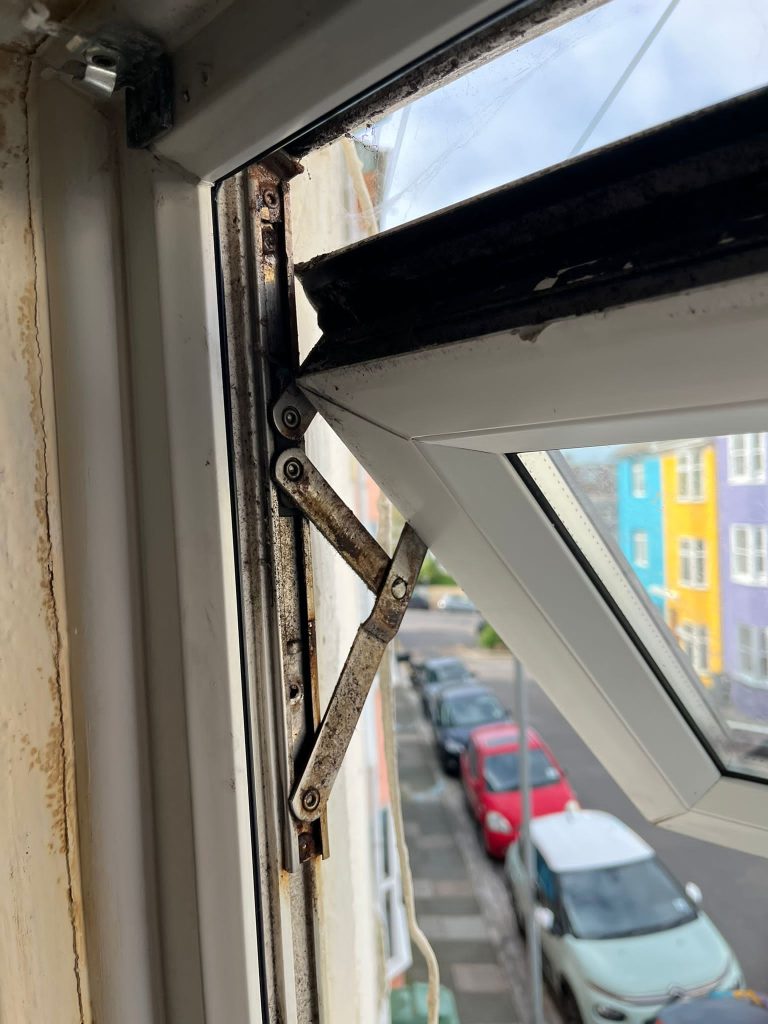
Homeowners often encounter various issues with window hinges, such as rust, misalignment, and wear. Identifying these problems early can save time and money on extensive repairs or replacements.
For instance, a rusted hinge can impede the window's operation and may require replacement. Misaligned hinges can often be adjusted, but if the frame is warped, a more comprehensive repair may be necessary. Understanding these common issues empowers homeowners to take proactive measures to maintain their windows.
DIY vs. Professional Window Hinge Repair: Making the Right Choice
Deciding between a DIY repair and hiring a professional can be challenging for homeowners. While some minor hinge issues can be addressed with basic tools and a bit of know-how, more complex problems often require professional expertise.
For example, if a window hinge is severely damaged or if the window frame is compromised, it's advisable to consult with a professional to ensure that repairs are done correctly and safely. Weighing the cost of DIY repairs against potential professional fees can help homeowners make informed decisions.
The Importance of Regular Window Maintenance
Regular maintenance of windows, including hinges and locks, is essential to prevent costly repairs down the line. It is a proactive approach that ensures windows remain functional and secure.
Routine checks can help detect issues like loose screws, rusted hinges, or worn-out locks before they escalate. Homeowners should consider creating a maintenance schedule that includes cleaning, lubrication, and inspection of all window components to enhance their lifespan and performance.