Frequently Asked Questions
What is a glazing stop?
A glazing stop is a component used in window frames to secure the glass in place. It helps to hold the glazing unit firmly and prevents any movement, ensuring a proper seal and enhancing the overall integrity of the window.
What materials are used for glazing stops?
The materials used for glazing stops typically include aluminium, PVCu, and timber. These materials provide durability and effective sealing for windows and doors, ensuring optimal performance and aesthetics.
How do glazing stops function in windows?
Glazing stops function in windows by securing the glass panes within the frame. They create a tight seal, preventing air and water ingress while also allowing for easy glass replacement when necessary.
What are the benefits of using glazing stops?
The benefits of using glazing stops are that they provide structural support for glass panes, enhance energy efficiency by reducing drafts, and improve the overall aesthetic of windows and doors by ensuring a neat and finished appearance.
Can glazing stops prevent water leaks?
Glazing stops can effectively prevent water leaks by creating a secure seal around the glass panes. When properly installed, they help ensure that water is diverted away from the window frame, reducing the risk of moisture infiltration.
How to install a glazing stop correctly?
Installing a glazing stop correctly involves positioning it snugly against the glass and securing it with screws or nails, ensuring a tight fit to prevent water ingress and maintain insulation. Always check for level alignment before fastening.
What types of glazing stops are available?
The types of glazing stops available include timber, aluminium, and PVC options. Each type serves to secure the glazing in place, providing various aesthetic and functional benefits suitable for different window and door applications.
How do glazing stops enhance energy efficiency?
Glazing stops enhance energy efficiency by securely holding double-glazed units in place, reducing air leakage and thermal bridging. This helps maintain consistent indoor temperatures and lowers energy costs by minimising heat loss and improving insulation.
What issues can arise without glazing stops?
The issues that can arise without glazing stops include water ingress, reduced insulation, and potential structural damage, as they play a crucial role in securing the glass and preventing movement or leaks in window and door installations.
Are glazing stops necessary for all windows?
Glazing stops are essential for many windows as they secure the glass in place and provide structural stability. However, their necessity can vary depending on the window design and installation method used.
How to maintain glazing stops effectively?
Maintaining glazing stops effectively involves regular cleaning to remove dirt and debris, checking for any signs of wear or damage, and ensuring a proper seal to prevent air and water infiltration. Regular inspections can help prolong their lifespan and functionality.
What is the cost of glazing stops?
The cost of glazing stops varies depending on the material and size needed. Generally, prices range from £1 to £5 per metre, but it's best to consult a local supplier for specific quotes tailored to your requirements.
How do glazing stops improve window durability?
Glazing stops enhance window durability by securely holding the glass in place, preventing movement and reducing the risk of breakage. This added stability helps maintain the integrity of the window structure over time, ensuring long-lasting performance.
What is the difference between glazing stops and beads?
The difference between glazing stops and beads lies in their function and placement. Glazing stops are fixed strips that hold the glass in place, while beads are decorative or functional trim that cover the edges of the glass and the stop.
Can glazing stops be replaced easily?
Glazing stops can be replaced relatively easily, especially if you have the right tools and materials. However, it’s advisable to consult a professional for optimal results and to ensure a proper fit.
What tools are needed for glazing stop installation?
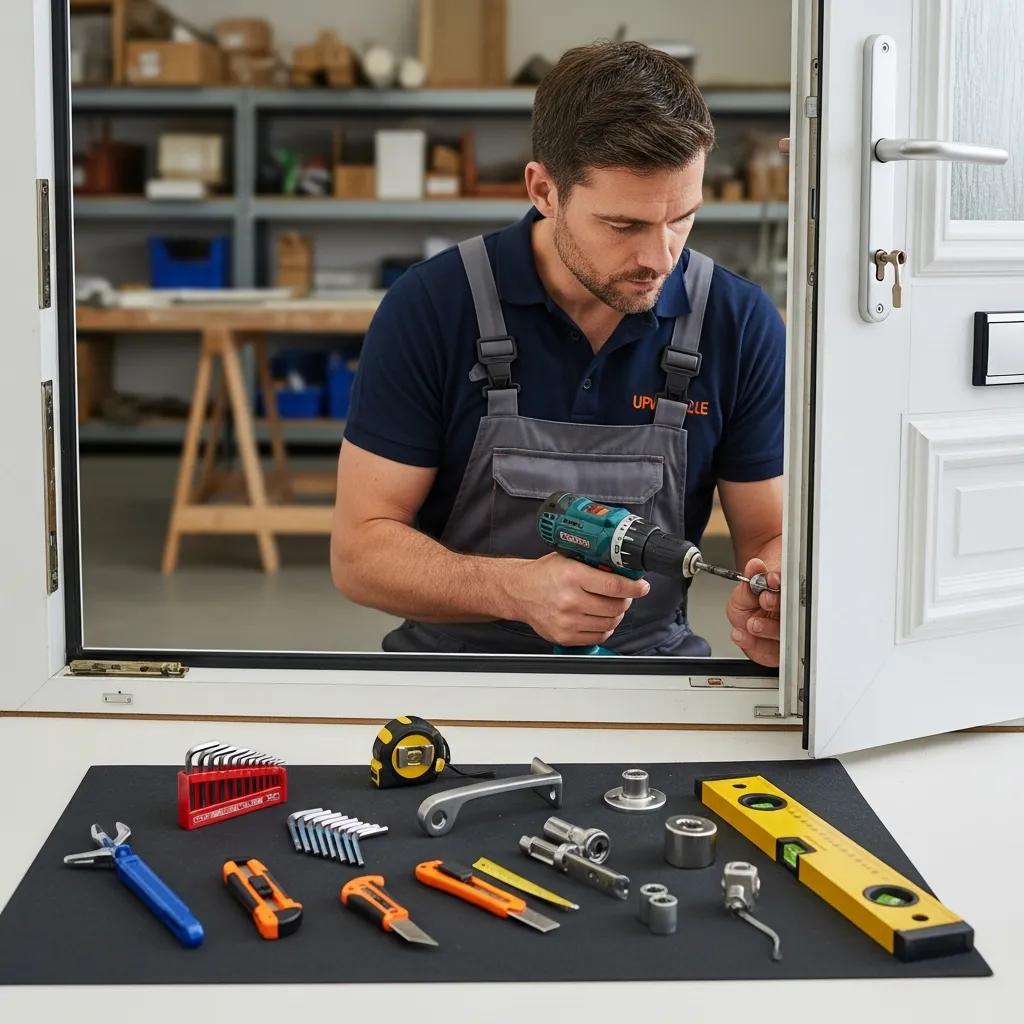
The tools needed for glazing stop installation include a utility knife, measuring tape, a rubber mallet, and a level. Additionally, having a caulking gun and appropriate sealant will ensure a secure and weather-tight fit.
How do glazing stops affect window aesthetics?
Glazing stops play a crucial role in window aesthetics by framing the glass and enhancing visual appeal. They ensure a clean, finished look while also allowing for design flexibility, contributing to the overall character of the window.
What are common problems with glazing stops?
Common problems with glazing stops include warping, which can lead to gaps that allow air and moisture infiltration, and deterioration due to weather exposure, resulting in compromised sealing and increased energy loss.
How to choose the right glazing stop?
Choosing the right glazing stop involves considering the window type, the thickness of the glass, and the material of the stop itself. Ensure it complements your window frame for a secure and aesthetically pleasing fit.
What is the lifespan of a glazing stop?
The lifespan of a glazing stop typically ranges from 10 to 20 years, depending on factors such as material quality, environmental conditions, and maintenance practices. Regular inspections can help extend its durability.