Understanding Window Hinges: Types and Functions
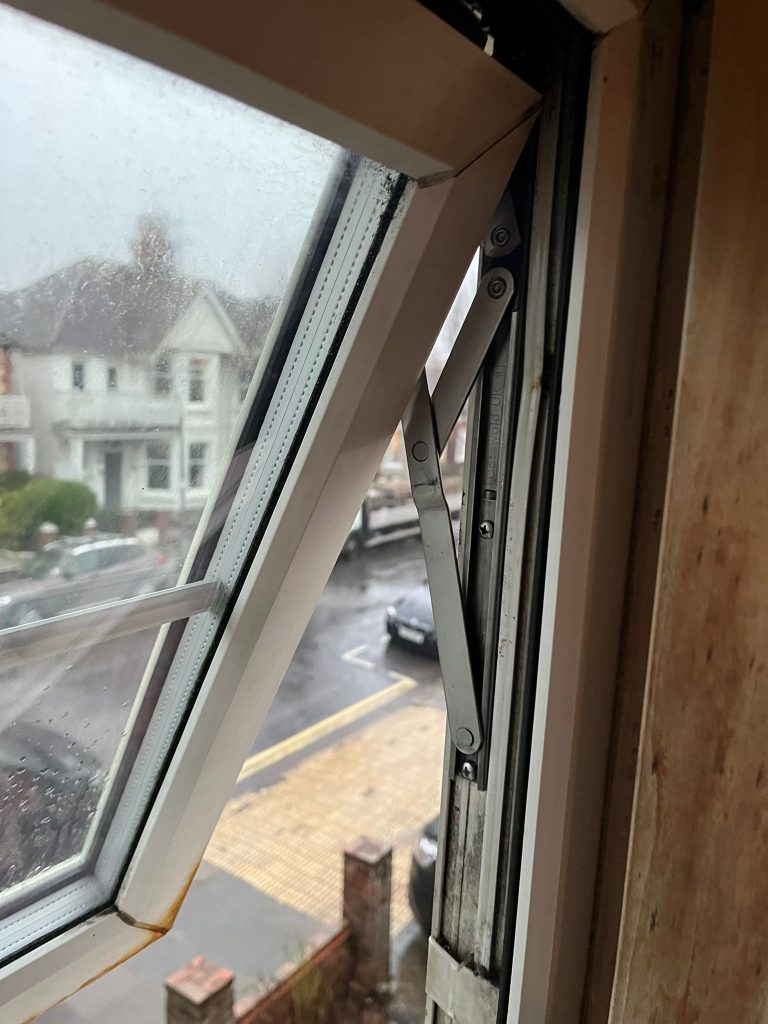
Window hinges are crucial components that facilitate the opening and closing of windows. They come in various types, including butt hinges, continuous hinges, and pivot hinges, each serving specific functions depending on the window design and usage. Knowing the type of hinge installed can help homeowners identify potential issues and appropriate repair methods.
For instance, butt hinges are commonly used in casement windows, allowing them to open outward. Continuous hinges, or piano hinges, provide a seamless pivot along the entire length of the window, enhancing durability and stability. Understanding these differences not only aids in repairs but also informs homeowners about maintenance practices that can prolong the lifespan of their windows.
Common Signs of Window Hinge Problems
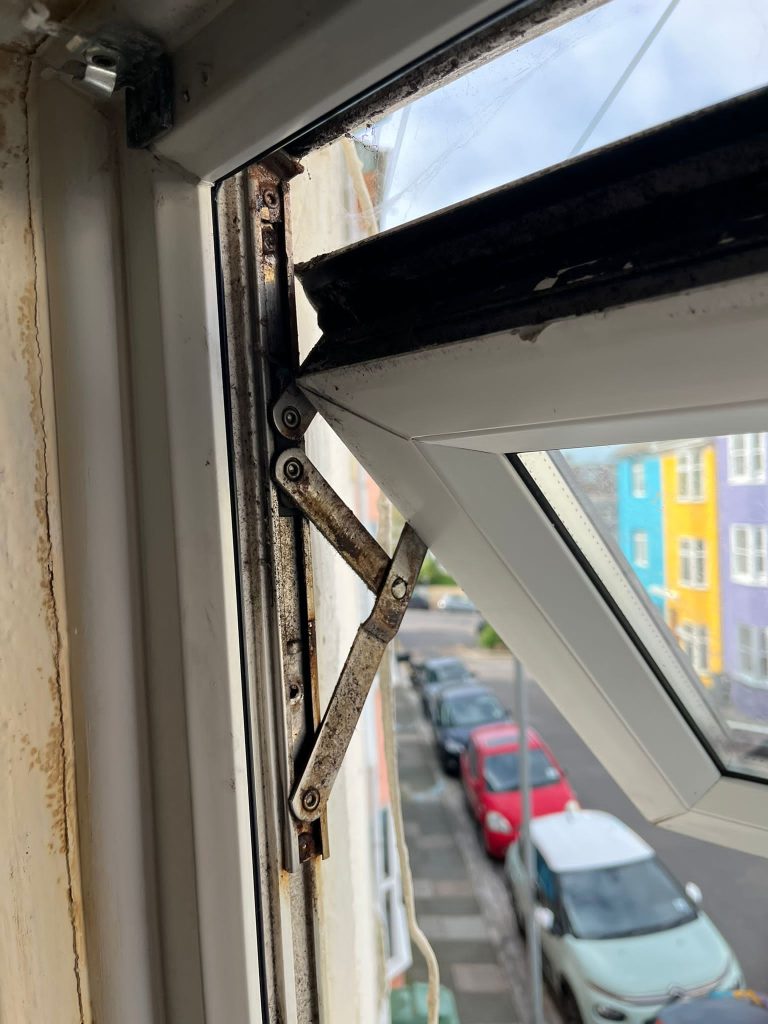
Identifying issues with window hinges early can prevent more significant problems down the line. Common signs of hinge problems include difficulty in opening or closing the window, visible rust or corrosion, and misalignment that causes gaps in the window seal. Homeowners should be vigilant about these indicators to ensure their windows remain functional and secure.
For example, if a window requires excessive force to open, it may indicate a worn-out hinge or misalignment that could lead to further damage. Regular inspections can help catch these issues early, allowing for timely repairs that can save on costs and maintain the home's energy efficiency.
The Importance of Timely Window Hinge Repairs
Timely repairs of window hinges are essential for maintaining the overall functionality and security of windows. Neglecting hinge issues can lead to more severe complications, such as water damage, air leaks, and increased energy bills. Addressing these problems promptly not only enhances comfort but also protects the structural integrity of the home.
For instance, a faulty hinge can cause a window to become stuck, making it difficult to secure the home against intruders. Moreover, if the window is not sealed properly due to hinge misalignment, it can lead to drafts that raise heating and cooling costs. Therefore, understanding the importance of timely repairs can motivate homeowners to take proactive measures in maintaining their windows.
DIY vs. Professional Window Hinge Repair: What You Need to Know
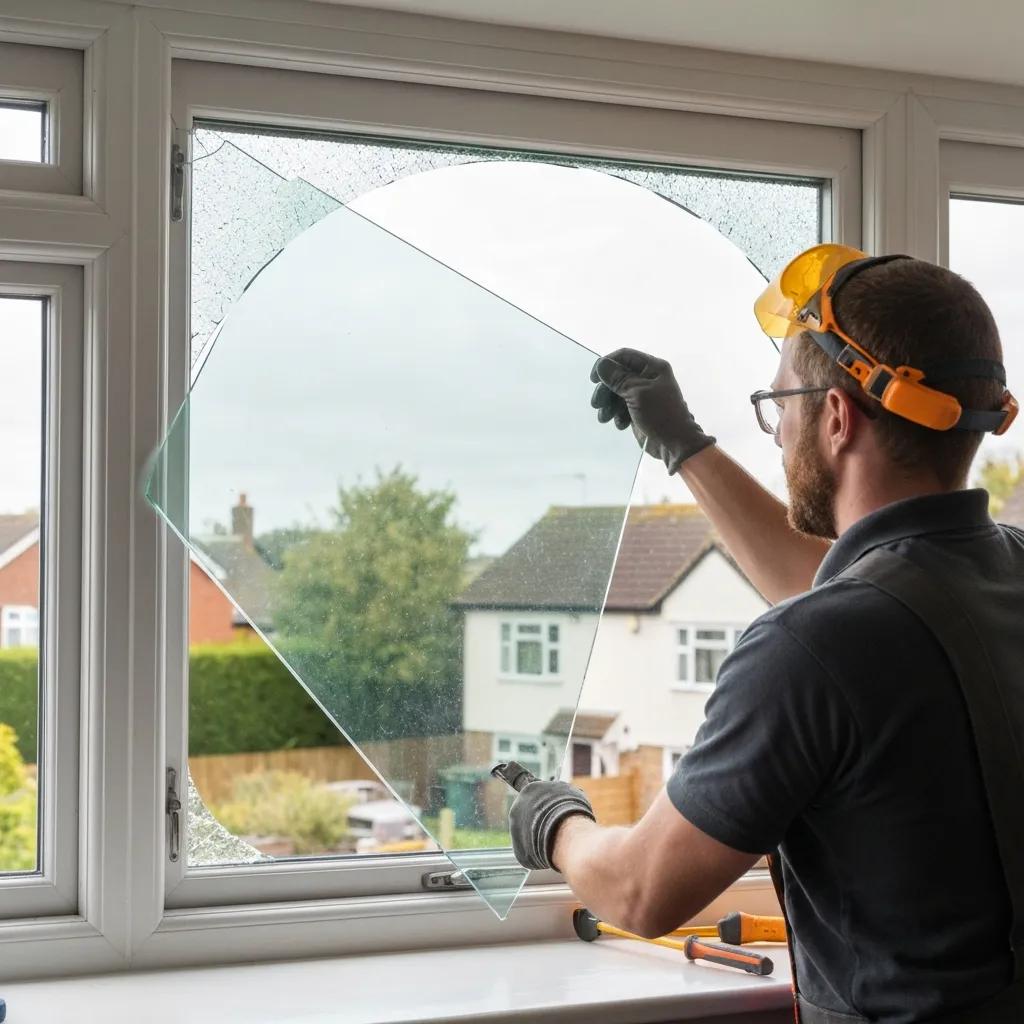
When it comes to window hinge repairs, homeowners often face the decision of whether to tackle the issue themselves or hire a professional. DIY repairs can be cost-effective and empowering, but they require a certain level of skill and knowledge about window mechanisms. Assessing the complexity of the problem is crucial in making this decision.
For example, simple tasks like lubricating hinges or tightening screws can often be handled by homeowners without professional help. However, more complicated issues, such as replacing a broken hinge or realigning a window, may require specialized tools and expertise. Understanding the scope of the repair can help homeowners make informed choices that ensure the safety and functionality of their windows.
Understanding Window Hinges: Types and Functions
Window hinges are crucial components that facilitate the opening and closing of windows. They come in various types, including butt hinges, continuous hinges, and pivot hinges, each serving specific functions depending on the window design and usage. Knowing the type of hinge installed can help homeowners identify potential issues and appropriate repair methods.
For instance, butt hinges are commonly used in casement windows, allowing them to open outward. Continuous hinges, or piano hinges, provide a seamless pivot along the entire length of the window, enhancing durability and stability. Understanding these differences not only aids in repairs but also informs homeowners about maintenance practices that can prolong the lifespan of their windows.
Common Signs of Window Hinge Problems
Identifying issues with window hinges early can prevent more significant problems down the line. Common signs of hinge problems include difficulty in opening or closing the window, visible rust or corrosion, and misalignment that causes gaps in the window seal. Homeowners should be vigilant about these indicators to ensure their windows remain functional and secure.
For example, if a window requires excessive force to open, it may indicate a worn-out hinge or misalignment that could lead to further damage. Regular inspections can help catch these issues early, allowing for timely repairs that can save on costs and maintain the home's energy efficiency.
The Importance of Timely Window Hinge Repairs
Timely repairs of window hinges are essential for maintaining the overall functionality and security of windows. Neglecting hinge issues can lead to more severe complications, such as water damage, air leaks, and increased energy bills. Addressing these problems promptly not only enhances comfort but also protects the structural integrity of the home.
For instance, a faulty hinge can cause a window to become stuck, making it difficult to secure the home against intruders. Moreover, if the window is not sealed properly due to hinge misalignment, it can lead to drafts that raise heating and cooling costs. Therefore, understanding the importance of timely repairs can motivate homeowners to take proactive measures in maintaining their windows.
DIY vs. Professional Window Hinge Repair: What You Need to Know
When it comes to window hinge repairs, homeowners often face the decision of whether to tackle the issue themselves or hire a professional. DIY repairs can be cost-effective and empowering, but they require a certain level of skill and knowledge about window mechanisms. Assessing the complexity of the problem is crucial in making this decision.
For example, simple tasks like lubricating hinges or tightening screws can often be handled by homeowners without professional help. However, more complicated issues, such as replacing a broken hinge or realigning a window, may require specialized tools and expertise. Understanding the scope of the repair can help homeowners make informed choices that ensure the safety and functionality of their windows.