
Identifying Window Issues: How to Tell If Your Windows Need Repair or Replacement – A Complete Guide for Sussex Homeowners
Leaky, sticky or misted windows aren’t just annoying — they push up bills, reduce comfort and can put your home’s security at risk. This guide walks Sussex homeowners through common glazing and door problems, simple checks you can do yourself, and clear rules for when a repair will do versus when a full replacement is needed. You’ll be able to spot blown double glazing, find drafts, judge frame condition and check hardware such as corroded hinges or jammed locks. We also cover practical decision tools, cost and environmental factors, and upgrade options like acoustic or triple glazing so you can pick the most cost-effective solution. Throughout, you’ll find short diagnostic steps, side-by-side comparisons and a repair-first approach that favours replacing glass units or hardware over swapping entire frames where appropriate. By the end you’ll know what’s urgent, what’s routine and what to do next to restore thermal performance and security in your Sussex home.
What Are the Common Signs Your Windows Need Repair or Replacement?
Window problems usually show themselves in a few predictable ways — and spotting them early saves energy and reduces security risks. Failed seals cause condensation between panes; worn mechanics make sashes hard to move; visible frame damage such as rot or cracks points to structure problems; and rising street noise often means the glazing no longer insulates properly. Identifying these issues quickly lets you choose the least disruptive fix — for example, fitting a new sealed glass unit rather than replacing the whole frame. The sections below list the main warning signs and explain what each typically means for homeowners across Sussex.
The most common visible signs are:
- Condensation trapped between the panes — a sign of a failed seal or blown double glazing.
- Noticeable drafts or cold patches around windows — indicating air leaks or worn weather seals.
- Difficulty opening, closing or locking windows — usually worn or corroded hardware.
- Soft, flaky or discoloured timber and warped UPVC frames — evidence of frame deterioration.
These are early-warning indicators you can act on quickly to limit wasted energy and rising repair costs.
Quick reference: the table below links common issues to what the symptom means and the immediate action you should take.
| Issue | Visible Sign | What it Means / Immediate Action |
|---|---|---|
| Blown double glazing | Condensation between panes | Sealed unit has failed — arrange glass unit replacement rather than attempting to dry the unit |
| Drafts and air leaks | Cold spots, moving curtains, paper test positive | Faulty seals or gaps — check weatherstripping, re-caulk or consider reseal/reglaze |
| Hardware failure | Stiff opening, tilted sash, misaligned locks | Corroded hinges or worn multipoint locks — test, lubricate, then repair or replace hardware |
| Frame damage | Soft wood, cracks, warped UPVC | Structural weakening — assess whether a local repair will do or if full frame replacement is needed |
This table helps you prioritise the repairs that will quickly restore performance.
How Can You Identify Condensation Between Window Panes?
“Misted” windows — condensation inside the sealed unit — happen when the seal or spacer fails and moisture gets into the cavity. That trapped moisture can’t be wiped away and it reduces the unit’s insulating ability, increasing heat loss. A simple visual check is often enough: if the moisture is permanently between the panes the sealed unit is blown. Don’t try to dry or drill the unit yourself; the practical fix is to replace the sealed glass unit only. That restores the insulating cavity without removing the frame, costs far less than a full-frame replacement and keeps disruption and waste to a minimum.
Next, try a few easy draft tests before calling in a professional.
What Are the Symptoms of Drafty Windows and Air Leaks?
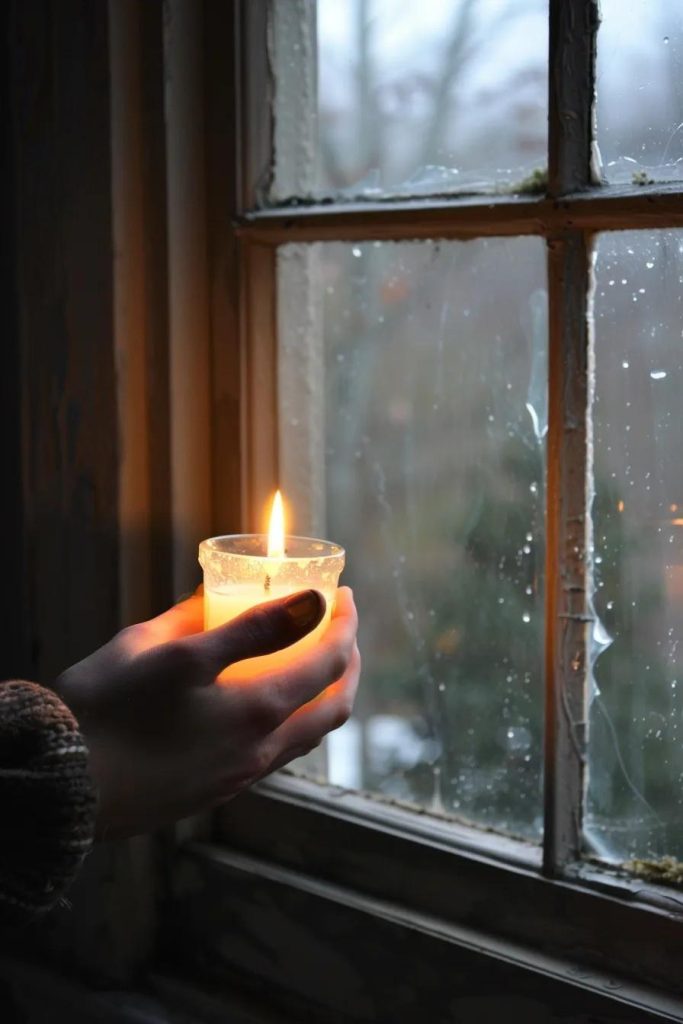
Drafts feel like cold air around the edges of a window, or you may see curtains move when everything else in the house is closed. A simple paper or candle test will show air movement around seals. Drafts usually come from failed seals, gaps between frame and wall, or warped frames that no longer compress weatherstrips — all of which raise heating bills. To test at home, hold a lit candle or a tissue near the seal and watch for a flicker or movement. If you have a thermal camera app, that can help identify cold spots. Easy fixes include replacing worn weatherstrips, re-caulking gaps or fitting brush seals; larger gaps or warped frames will need professional repairs or glass upgrades.
Understanding where air is getting in helps you decide whether to repair parts or replace the whole unit — covered next.
How Do You Decide Between Window Repair and Replacement?
Choosing repair or replacement comes down to cost, disruption, expected lifespan gain, thermal benefit and environmental impact. Repair makes sense when a single component has failed — a misted sealed unit, a seized hinge or a faulty lock — because replacing the part restores function with minimal waste. Replacement is the right move when multiple components or the frame itself are compromised, since piecemeal fixes would only delay the problem. Use the comparison below to weigh options and steer towards repair-first solutions where they deliver lasting value.
| Option | Characteristic | Typical Outcome / Impact |
|---|---|---|
| Targeted repair | Cost-effective, low disruption | Restores function quickly and extends the life of the existing frame |
| Glass unit replacement | Improves insulation, minimal fitting work | Restores U-value without changing the frame and reduces waste |
| Full frame replacement | High cost, high disruption | Long-term solution when frames are structurally unsound or extensively rotted |
Use this short checklist to guide your decision:
- Choose repair if only the seal, hinge or lock is faulty and the frame is stable and weather-tight.
- Opt for replacement when frames show extensive rot, structural movement or widespread deterioration across multiple windows.
- Consider environmental impact and cost: fixing parts reduces waste and usually gives the same short-to-medium term performance as a full replacement.
These rules lead into examples of repair scenarios and the cases that really do need replacement.
When Is Repair the Most Cost-Effective and Sustainable Option?
Repair is usually the best value when the problem is component-specific — for example, misted double glazing, a seized hinge or a broken handle — because you replace only the faulty part, not the whole window. Financially, fitting a new sealed unit or replacing hinges is typically a fraction of the cost of a full-frame installation and restores thermal and security performance with minimal disruption. Environmentally, repairs cut demolition waste and embodied carbon from new manufacturing, supporting a circular approach. At Sussex Glazing Solutions we follow a repair-first ethos, offering free surveys and quotes and prioritising glass-unit and component repairs to keep costs and waste down.
That repair-first approach helps you know when to escalate to a full replacement — explained next.
What Window Issues Require Full Replacement?
Full-frame replacement is called for when structural issues threaten safety or long-term performance: extensive wood rot under the sill, UPVC frames warped so they won’t seal, or frames that have moved out of square with the wall. Leaving these problems can lead to security risks, water ingress and damage to internal finishes. Red flags include repeated failing repairs, decay that goes beyond surface filler and windows that no longer sit square. For these serious cases a professional inspection will confirm whether replacement is the only practical long-term solution.
Getting a prompt professional assessment prevents wasted money on short-term fixes and stops damage from spreading into other parts of the building.
How Can You Diagnose and Fix Faulty Window Hinges, Locks, and Handles?
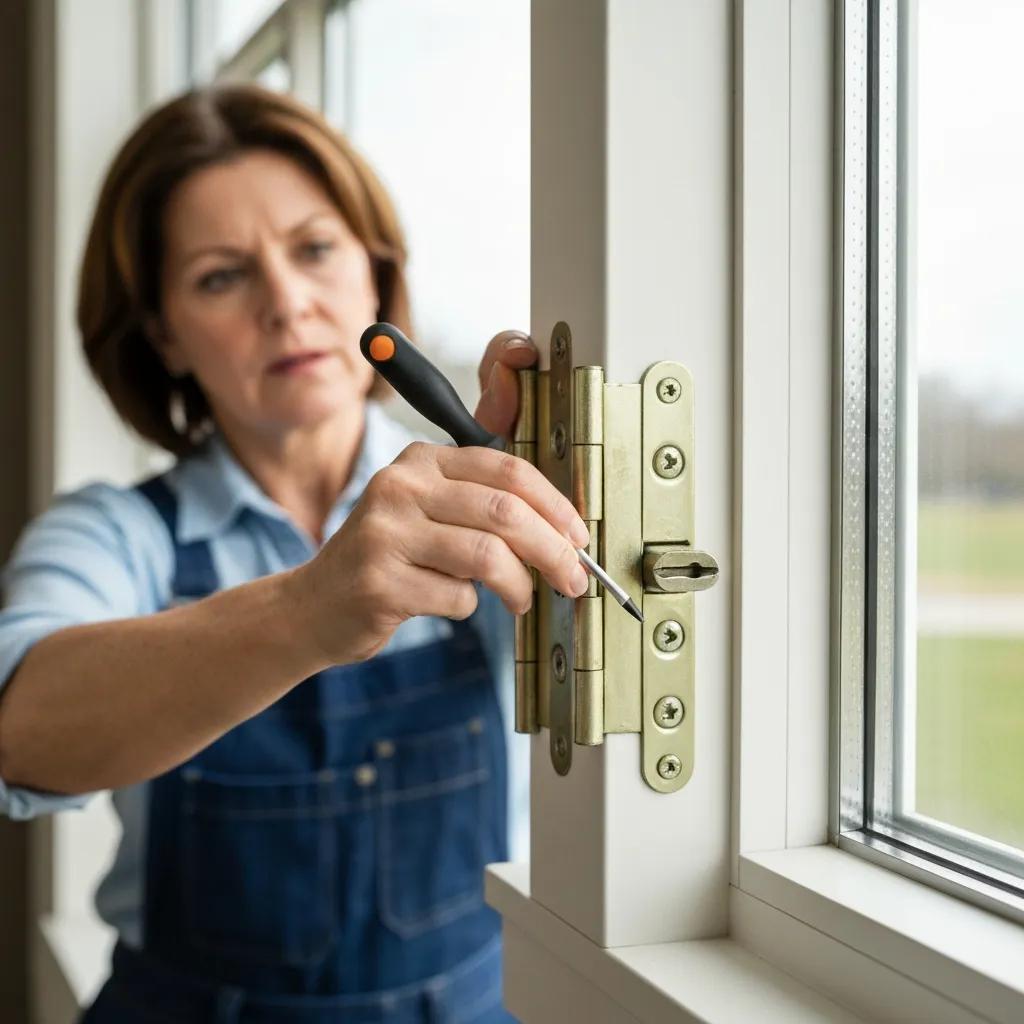
Hardware failures usually show up as operational issues or security gaps. Simple step-by-step checks will tell you whether lubrication and adjustment are enough or if parts need replacing. Corrosion, loose fixings and stripped screws reduce hinge performance, while multipoint lock faults show as stiff keys, sash misalignment or gaps when closed. Quick homeowner checks followed by targeted repairs can restore safe operation without major expense. The lists below guide you through common diagnostics and indicate when to call a professional for parts replacement or security upgrades.
Common homeowner diagnostics include:
- Visual check for rust, broken pins on hinges and loose screws around handles.
- Operation test: open and close the sash slowly to listen for grinding or feel catches.
- Lock test: operate the lock and key several times, noting any sticking or incomplete engagement.
These checks show whether simple lubrication and tightening will do or if full hardware replacement is required — covered in the next section.
What Are the Signs of Corroded or Stiff Window Hinges?
Corroded hinges show rust, pitting, sash misalignment and rough operation; stiffness feels like resistance or uneven travel when opening. Often this is caused by oxidation or salt-laden coastal air — a familiar issue in parts of Sussex — which speeds wear. Immediate homeowner actions are to clean visible corrosion, apply a penetrating lubricant to moving joints and tighten screws. Heavy corrosion, bent plates or sagging sashes need hinge replacement to restore safe long-term operation. If the sash moves independently of hinge adjustments, arrange professional replacement.
These hinge checks lead naturally into lock tests and security-focused fixes.
How Do You Repair or Replace Window Locks to Improve Security?
Failing locks commonly show up as stiff key rotation, incomplete deadbolt engagement or sash movement when locked — signs of worn cylinders, misaligned keeps or stripped linkages. Start with basic checks: ensure screws are tight, lubricate the mechanism and try a spare key if you have one. Adjusting keeps and striker plates often solves alignment problems. Where cylinders or multipoint components are worn, replacing them with updated locks or reinforced keeps improves security. For complex systems, professional replacement ensures correct alignment and preserves warranties — important for reliable security upgrades.
After fixing locks and hinges, check frames for structural issues that could undermine hardware repairs.
What Should Sussex Homeowners Know About Window Frame Damage?
Frame damage can be anything from small cosmetic cracks to deep structural rot. Knowing the difference determines whether simple repairs will work. Common causes are moisture ingress, UV damage to UPVC, salt corrosion near the coast and movement from settling — each shows in soft timber, flaking paint or warped corners. Regular inspection using a tapping test and visual checks around sills and joints catches problems early. Minor repairs — filling, sanding, resealing and reinforcing — can extend a frame’s life, while widespread decay or structural movement usually means replacement.
Use the checklist below to help assess frame condition before deciding on repair or replacement.
- Probe the sill and lower frame with a screwdriver to check for soft spots that indicate rot.
- Look for gaps between the frame and wall or failing sealant that allow water in.
- Check for twisting or separation at joints — signs of structural movement.
Minor repairs can buy time; the next section explains what they often achieve.
How to Spot Wood Rot, Warping, and Cracks in Window Frames?
Wood rot feels soft and spongy, often with discolouration and a crumbly texture. Warping shows as sash misalignment and difficulty closing; cracks are visible splits that let water in. A simple tap or probe test will reveal soft spots — if a probe penetrates the surface, rot is likely. UPVC warping appears as distorted profiles, gaps and seals that no longer compress. When damage is limited to small areas, targeted repairs and resealing usually restore performance. If rot extends under the surface or frames are twisting, get a professional opinion to see whether replacement is the safer option.
Knowing how to spot these issues shows when small repairs are enough and when they are not.
When Can Minor Frame Repairs Save Your Windows?
Minor repairs — epoxy consolidation for local rot, replacing rotten trim, resealing joints and fitting reinforcement plates — can add several years to a frame’s life. These work because they restore integrity where failure is local and moisture hasn’t penetrated deep into structural members. In most cases, minor repairs are the best value when they quickly restore performance and seal thermal gaps. Regular maintenance — repainting, resealing and checking weatherstrips — prevents recurrence and keeps windows working until a full replacement is really necessary.
Next, we look at glass upgrades, which often deliver the best thermal and acoustic returns.
How Can Upgrading Glass Improve Energy Efficiency and Noise Reduction?
Upgrading your glass improves thermal performance and sound insulation by changing glass type, cavity width and coatings that alter U-values and sound transmission. Double glazing with low-E coatings cuts radiative heat loss; triple glazing lowers U-values further; acoustic glazing uses laminated panes or larger cavities to reduce noise by several decibels. Better glass reduces heat transfer and dampens airborne sound, improving comfort and lowering heating costs. The table below compares common glass options and their typical benefits so Sussex homeowners can decide if a glass-only upgrade beats full-frame replacement.
| Glass Type | Attribute (Thermal / Acoustic) | Typical Benefit |
|---|---|---|
| Double glazing (standard) | Moderate U-value improvement / basic noise reduction | Good balance of cost and energy savings |
| Triple glazing | Low U-value / enhanced insulation | Better energy savings in colder rooms |
| Acoustic laminated glazing | Improved sound dampening / maintained thermal performance | Clear noise reduction for traffic or coastal locations |
This comparison highlights glass upgrades that are often the most cost-effective route to better comfort and efficiency.
What Are the Benefits of Acoustic and Triple Glazing Upgrades?
Acoustic and triple glazing cut noise and improve heat retention — valuable for homes near busy roads, railways or exposed Sussex coasts. Acoustic performance comes from added mass and pane decoupling; thermal gains come from extra layers and improved gas fills. Together they reduce heat loss and make rooms noticeably quieter. Typical benefits include several decibels less perceived noise and lower heating bills thanks to improved U-values. For many homeowners, upgrading the glass in existing frames gives the best balance of cost, disruption and performance.
Choose the glass upgrade type based on the thermal and acoustic priorities for each room.
How Does Glass Replacement Enhance Thermal Performance?
Replacing the sealed glass unit improves thermal performance through wider insulating cavities, low-emissivity coatings and inert gas fills that reduce conductive and radiative heat transfer. These changes lower the window U-value — the measure of heat loss per square metre — and cut heating demand in winter while stabilising indoor temperatures. Actual energy savings vary with property and location, but switching out old single glazing or ageing double glazing typically gives a noticeable reduction in heat loss. For many Sussex homes, replacing sealed units alone delivers strong energy benefits at a fraction of the cost and disruption of full-frame replacement.
With glass options covered, door repairs offer a similar range of targeted fixes to restore security and function.
What Door Repair Services Are Available for Sussex Homeowners?
Door repair services for Sussex homes focus on targeted mechanical and security fixes that restore function with minimal disruption. Common services include diagnosing jammed locks and replacing cylinders, servicing multipoint locks, adjusting hinges, draught proofing and UPVC door repairs for warped panels or failing seals. These interventions improve security, reduce drafts and extend door life without the need for full replacement in many cases. Below is a concise list of typical door repairs you can expect from a repair-first provider.
Typical door repair services include:
- Lock servicing and cylinder replacement to restore secure locking and smooth operation.
- Repairing jammed bolts and aligning multipoint locking mechanisms to secure doors properly.
- UPVC door adjustments, hinge replacement and draught sealing to improve operation and thermal performance.
These repairs often prevent unnecessary replacement while restoring safety and efficiency.
How to Identify and Fix Jammed or Faulty Door Locks?
A jammed lock shows as difficulty inserting or turning the key, incomplete locking action or a handle that won’t retract the latch. Start with simple checks: try a spare key, look for obstructions in the keyway and use graphite or recommended lock lubricant (avoid oil-based sprays that attract dirt). If the cylinder or mechanism is worn, replace the cylinder or lock. For multipoint systems, professional realignment of keeps or gearbox replacement may be needed. In safety-critical cases or suspected forced entry, have a qualified technician handle the repair to ensure correct operation and compliance with security standards.
Next we outline UPVC-specific repairs, which often offer the best value.
What Are the Security Benefits of UPVC Door Repairs?
Repairing UPVC doors — replacing worn locks, reinforcing keeps and re-aligning multipoint systems — restores full engagement of locking points and removes exploitable gaps. UPVC repairs also extend lifespan by addressing warped panels, renewing seals and replacing failing thresholds that compromise weatherproofing. For many homeowners, these targeted interventions give comparable security to a full replacement at a much lower cost when done professionally. In coastal parts of Sussex, prompt UPVC maintenance is especially important to counter salt-related hardware corrosion and seal failure.
In short: targeted door repairs are usually quicker and cheaper than full replacements while restoring both security and thermal performance.
Sussex Glazing Solutions operates across the county — including Brighton, Hove, Lewes, Worthing, Eastbourne and Burgess Hill — specialising in glass unit replacement, hinge and lock repairs and UPVC door servicing. We offer free surveys and quotes and focus on repairing components rather than replacing whole frames wherever practical, to save homeowners money and cut waste.
To move forward, book a no-cost survey to diagnose issues precisely and receive recommendations focused on cost-effective repairs that restore security and energy performance.
Frequently Asked Questions
What are the environmental benefits of repairing windows instead of replacing them?
Repairing rather than replacing windows cuts waste and the carbon cost of making new frames. By extending the life of existing materials you avoid unnecessary manufacturing and transport, supporting a more circular approach. Repairs usually use less energy than producing and delivering new units, making them the greener choice for homeowners who want to reduce their footprint.
How often should I inspect my windows for potential issues?
Check your windows at least twice a year — spring and autumn are ideal — and after any severe weather. Regular inspections catch early signs like drafts, condensation or frame damage so you can fix them before they worsen. A simple maintenance routine saves money and keeps windows working efficiently.
Can I perform window repairs myself, or should I hire a professional?
Some small tasks — replacing weatherstrips, lubricating hinges or tightening screws — are straightforward for a competent DIYer. But complex jobs such as glass replacement, extensive frame repair or multipoint lock work are best left to professionals. Incorrect DIY fixes can cause more damage and higher costs later, so call an expert when in doubt.
What types of glass upgrades are available for improving energy efficiency?
Common glass upgrades include double glazing, triple glazing and low-emissivity (low-E) coatings. Double glazing has two panes with an insulating gas between; triple glazing adds a third pane for extra insulation. Low-E glass has a coating that reflects heat back into the room, reducing heat loss. Each option offers different thermal benefits, so choose based on your energy goals and budget.
How can I tell if my window frames are beyond repair?
Frames are usually beyond repair if they show extensive rot, major warping or structural movement that undermines integrity. Signs include soft spots when probed, large cracks or gaps between the frame and wall that let air or water in. If repairs are frequent and don’t hold, a professional assessment will confirm whether replacement is the safest long-term option.
What should I do if I notice condensation between my window panes?
Condensation between panes normally means the sealed unit’s seal has failed. The correct response is to replace the sealed glass unit rather than trying to dry it out, which restores insulation without removing the frame. Prompt action prevents further heat loss and restores comfort.
Are there specific maintenance tips to prolong the life of my windows?
Regular maintenance keeps windows working longer: clean glass and frames, check and replace weatherstrips, lubricate hinges and locks, and inspect for signs of rot or damage. Also keep gutters clear and ensure drainage directs water away from the building. A simple, regular routine significantly extends window life and reduces repair costs.
Conclusion
Spotting and dealing with window issues early improves energy efficiency and home security. By recognising the signs and knowing when to repair or replace, Sussex homeowners can make informed choices that save money and reduce waste. Book a free survey with Sussex Glazing Solutions to get a clear diagnosis and repair-focused recommendations — a small step that can restore comfort and safety for years to come.