
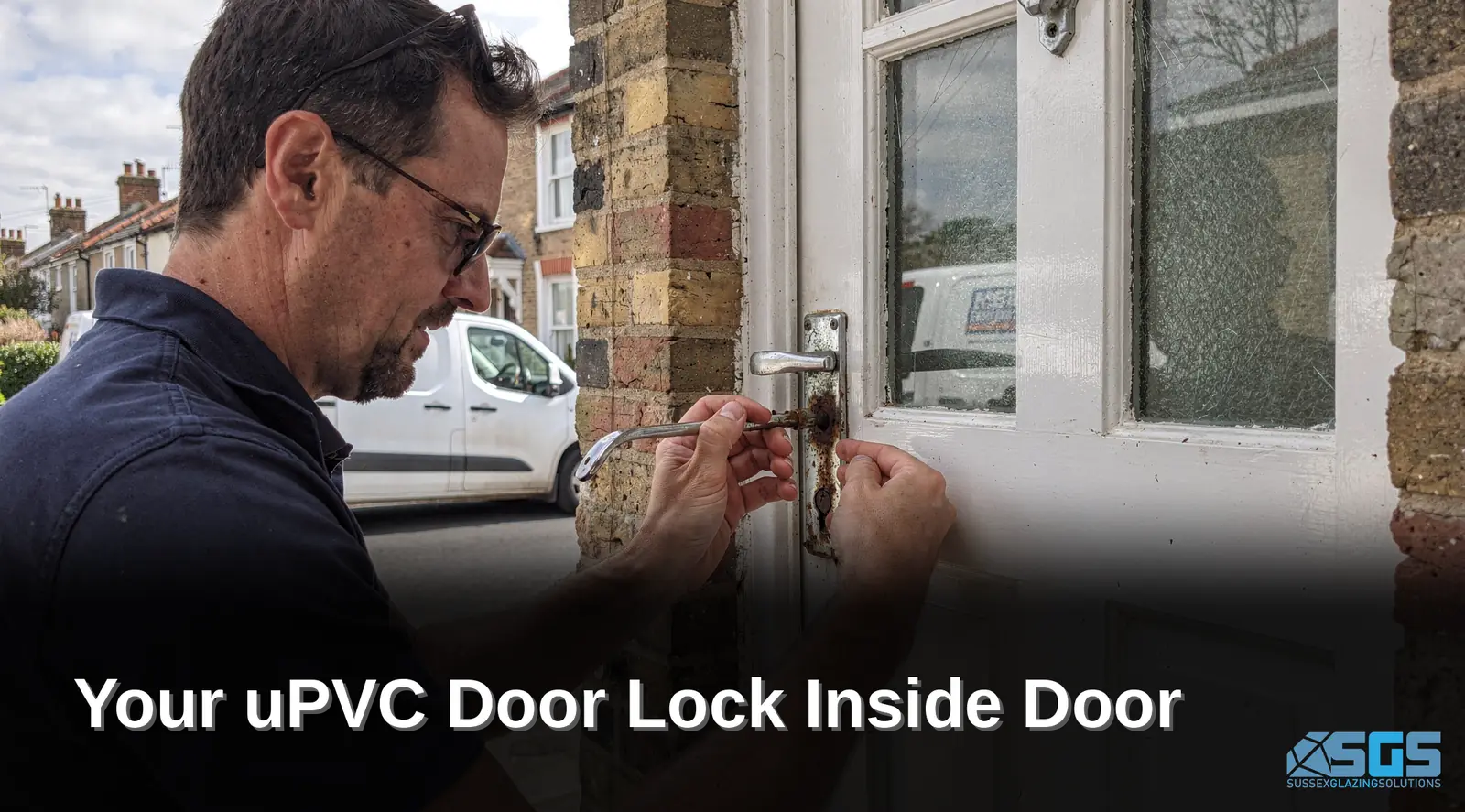
A uPVC door that won’t lock is almost always a mechanical alignment issue, not a broken key. The multipoint locking mechanism inside the door can shift out of position when the frame expands or contracts with the weather, when hinges wear, or when the door itself begins to drop on its hinges. Any of these can leave a door key that won’t turn in the lock, a handle that lifts without engaging the bolts, or a door that looks shut but isn’t actually secure. Sussex Glazing Solutions has diagnosed and repaired this exact fault since 2015, realigning hinges, adjusting the locking mechanism, and replacing worn gearboxes on-site without removing or replacing the door frame. For a diagnosis anywhere across Brighton, Hove, Lewes, and the wider Sussex coast, contact Sussex Glazing Solutions directly.
Key Takeaways
- uPVC door locks fail frequently in cold and hot weather due to frame expansion and contraction issues.
- Dishonest locksmiths often misdiagnose lock problems as mechanism failures to justify unnecessary expensive repairs.
- Sussex Glazing Solutions fixes and replaces locks without altering existing frames since 2015.
- Contact us at 01273 025 185 or info@sussexglazingsolutions.co.uk for professional uPVC door lock repairs.
What Do You Need Before You Start?
A quick inspection settles most questions before any tool comes out. Sussex homeowners facing a stiff door and lock should check for weather-related swelling, visible rust, and misalignment between the door lock inside door frame and the strike plate. These three checks cover the majority of seasonal jams reported across uPVC doors in cold or hot weather.
Should homeowners check for corrosion first? Corrosion along the Sussex coast is a well-known cause of failing hardware. Salt air accelerates rust on hinges, keeps, and lock barrels faster than inland properties experience. A quick visual check for orange staining or grinding resistance often explains a mechanism that suddenly won’t turn.
Before attempting any DIY fix, gather the following:
- A flashlight for inspecting the strike plate and hinge screws
- Silicone-based lubricant, not oil, for door locks
- A soft cloth for wiping down doors and locks
- Basic screwdrivers for hinge adjustment
Does the frame need replacing to fix a lock? Rarely. Sussex Glazing Solutions repairs locks, hinges, and handles without altering the existing frame. Homeowners unsure whether to repair or replace can request a complimentary consultation before deciding how to lock this door properly again.
How Do You Diagnose And Fix The Lock?
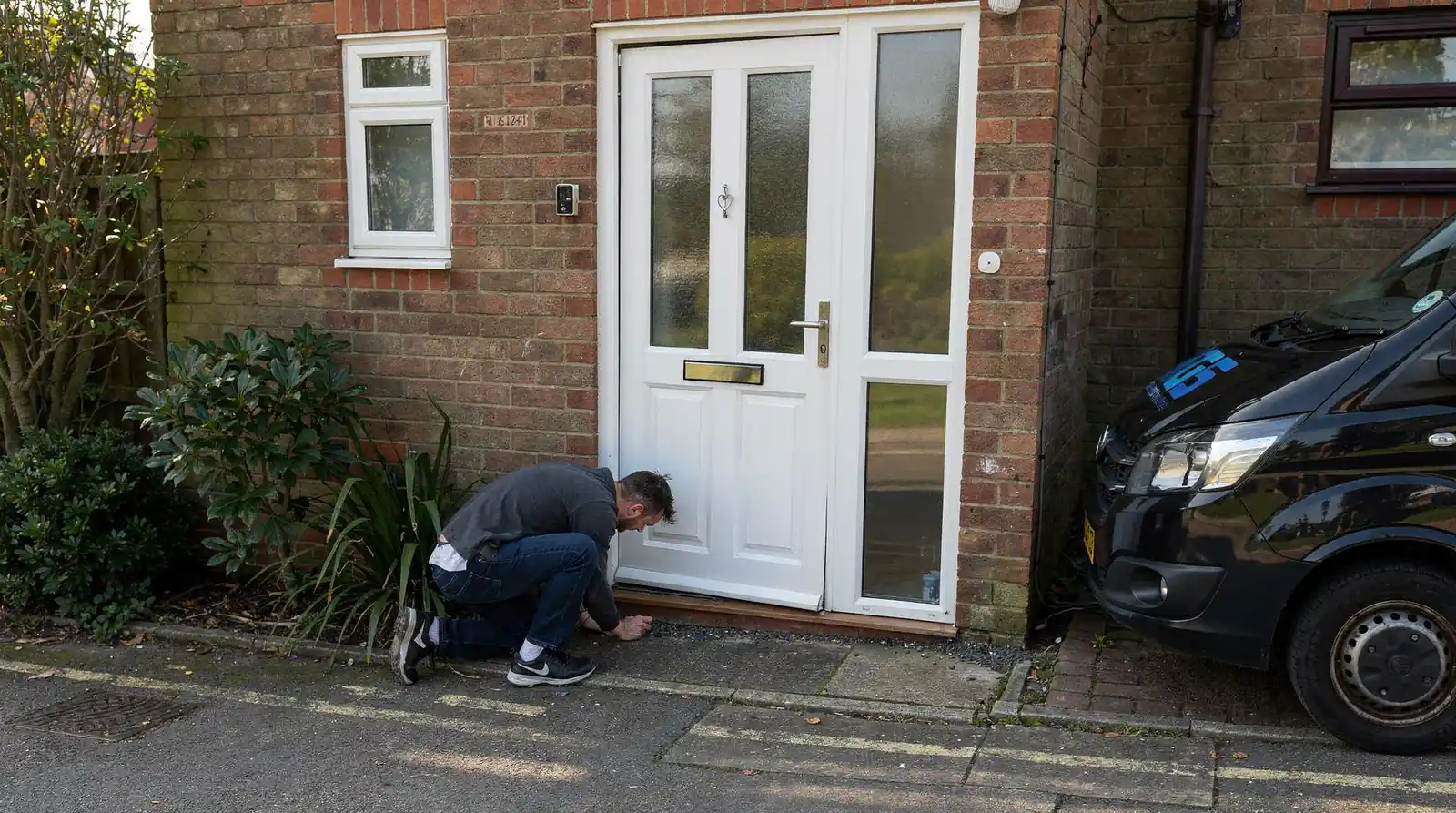
Diagnosing a stubborn uPVC or composite door starts with temperature, not tools. Heat causes doors and locks to expand, while cold makes the frame contract, pulling the locking points out of alignment. That single fact explains most calls Sussex homeowners make about a door that locked perfectly last week and refuses to budge today.
Before reaching for a screwdriver, work through the door systematically:
- Check the outside edge of the door for debris, paint buildup, or swelling.
- Inspect the frame itself, since blockages here stop the bolt from seating properly.
- Test the handle with the door open to see if the mechanism lifts and drops freely.
- Try the key gently — never force a door lock inside door hardware that feels stiff, as forcing bent components often turns a simple repair into a full mechanism replacement.
- Note whether the sticking happens only in hot afternoons or cold mornings, since that pattern points straight back to expansion and contraction.
Why Won’t The Key Turn Smoothly In A uPVC Door?
A key that sticks or won’t turn usually signals a misaligned locking point rather than a faulty key. Swelling from heat or frost commonly shifts the door and lock relationship just enough to jam the barrel.
What Causes A Door To Drop Out Of Alignment?
A door that has dropped on its hinges is one of the most overlooked reasons a uPVC door lock stops engaging. Over time, the weight of a large composite or uPVC door can cause the hinges to loosen or the frame itself to sag slightly, tilting the door downward at the handle side. Even a drop of a few millimetres is enough to pull the locking points away from their keeps, so the bolts either miss the strike plate entirely or catch only partway.
Homeowners can usually spot a dropped door without any tools. Look along the top and side gaps between the door and frame — an uneven gap that’s wider at the top than the bottom, or a door that scrapes the frame or floor as it closes, both point to alignment loss rather than a broken lock. A door dropped alignment fix is often a straightforward hinge adjustment: tightening or repositioning the hinge screws can lift the door back into its correct position and let the multipoint mechanism engage properly again. Sussex Glazing Solutions carries out this adjustment on-site, checking hinge tension, frame alignment, and keep position together, since treating them in isolation rarely resolves the fault for good.
How Does uPVC Lock Gearbox Replacement Work?
When adjustment and lubrication don’t restore smooth locking, the fault usually sits inside the gearbox — the mechanical heart of the multipoint locking system that drives the hooks, bolts, and rollers when the handle is lifted. A worn or broken gearbox typically shows itself as a handle that lifts freely but moves no bolts, a key that turns without resistance but doesn’t lock, or a handle that feels loose and disconnected from the mechanism.
Gearboxes wear out gradually through years of daily use, and coastal salt air speeds up the internal corrosion that eventually seizes the gears. A uPVC lock gearbox replacement involves removing the existing multipoint mechanism from the door edge, fitting a matching gearbox to the same specification, and testing the handle and key action before resealing the edge plate. Getting the size and backset right matters, since an incorrect gearbox can bind the mechanism rather than fix it. Sussex Glazing Solutions sources and fits the correct replacement gearbox for the door in question, avoiding a full door or frame replacement when the surrounding hardware is otherwise sound.
Can Corrosion Cause A Door Not To Lock?
Coastal air along the Sussex coastline accelerates corrosion in hinges, keeps, and strike plates, gradually preventing door locks from engaging cleanly. Sussex Glazing Solutions brings extensive experience resolving this exact corrosion breakdown, restoring smooth operation without replacing the frame. Because homeowners deserve a way to lock this door securely again, not a costly full-door replacement.
What If The Door Still Won’t Lock?
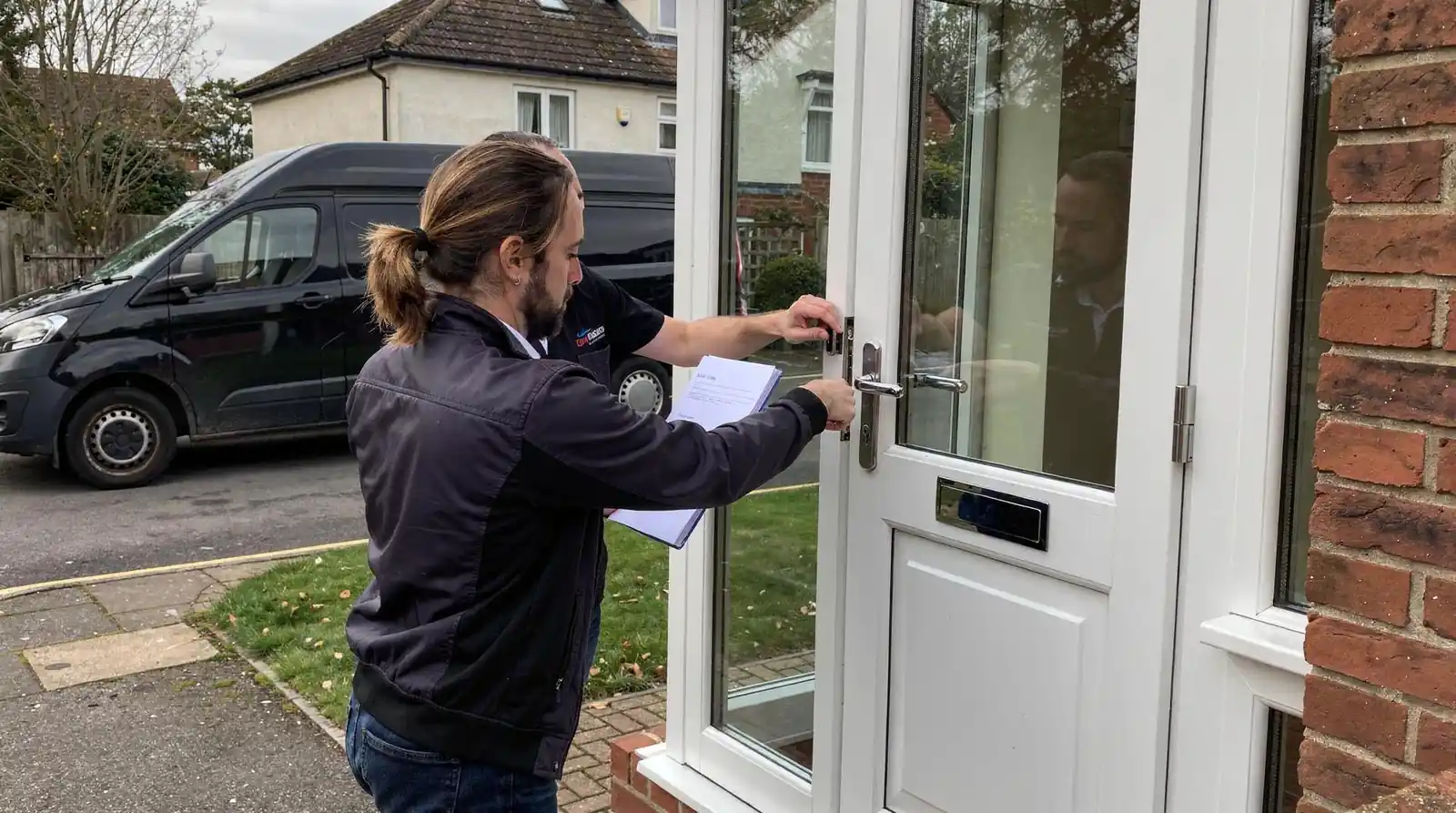
Persistent lock failure calls for a second opinion before any major repair work begins. Some dishonest locksmiths misdiagnose simple door lock issues as full mechanism failures, pushing homeowners toward costly, unnecessary replacements. Getting a proper assessment first protects both the wallet and the door itself.
How can homeowners spot a failing mechanism early?
Early signs matter. Stiffness when turning the key, a handle that lifts but won’t engage, or a bolt that catches halfway all point to a mechanism starting to fail. Recognizing these signs of trouble with doors and locks early saves time and money. A small adjustment now often prevents a full mechanism swap later.
Who should homeowners in Sussex call?
Sussex Glazing Solutions serves homeowners across Brighton, Hove, Lewes, Worthing, Eastbourne, Burgess Hill, Haywards Heath, Shoreham-by-Sea, Newhaven, Seaford, Bognor Regis, and Littlehampton, offering on-site diagnosis for stubborn door locks. When home fixes fail to lock this door properly, calling 01273 025 185 connects homeowners with an honest assessment rather than a rushed upsell. Replacing the panes, saving you money on the frames remains the guiding principle behind every visit.
What Should Landlords Do About A Non-Locking Door?
Landlords carry an added responsibility when a uPVC door lock fails, since a tenant unable to secure their front door raises both a safety concern and a legal one. Under most tenancy agreements, a working door lock counts as part of keeping a rental property secure and habitable, so a report from a tenant about a stiff key or a door that won’t engage shouldn’t sit on a to-do list for long.
The good news is that most door lock inside door faults affecting rental properties come down to the same handful of causes covered here: seasonal frame movement, a dropped door, or a worn gearbox, rather than a faulty cylinder that needs a full replacement. Landlords managing several Sussex properties benefit from a single visit that diagnoses the fault correctly first time, rather than a call-out that swaps a cylinder when the real issue sits in the hinges or gearbox.
Sussex Glazing Solutions works directly with landlords and letting agents across Brighton, Hove, and the wider Sussex coast, scheduling repairs around tenanted properties and providing a clear explanation of the fault for landlord records. Because a dropped door or worn gearbox often affects multiple units in the same block or development built around the same time, flagging one fault early can help landlords catch the same issue on other doors before tenants report it.
Preventing Future uPVC Lock Problems
A little routine care keeps a uPVC door locking smoothly for years and helps homeowners and landlords avoid repeat call-outs. Sussex Glazing Solutions recommends building these simple habits into a seasonal home maintenance routine:
- Wipe down the lock barrel and keep areas every few months to clear salt residue, especially in coastal properties
- Apply a silicone-based lubricant to the lock mechanism and hinges twice a year, ahead of the hot and cold extremes that cause the most jamming
- Check hinge screws for looseness every six months, tightening gently rather than over-torquing them
- Watch for an uneven gap between the door and frame, which often signals an early drop before the lock itself starts to struggle
- Avoid slamming the door shut, since repeated impact accelerates wear on both the hinges and the locking points
- Book a professional check if a key ever needs extra pressure to turn, rather than waiting for it to stop turning altogether
FAQ
Why does my uPVC door lock stop working in certain weather?
Temperature changes cause the door and frame to expand or contract, pulling the locking points out of alignment. This is the most common reason a uPVC door lock inside door hardware suddenly stops working.
Do I need a new frame to fix my uPVC door lock?
No, Sussex Glazing Solutions repairs locks, hinges, and handles without altering the existing frame. A complimentary consultation helps homeowners decide how to fix the lock properly.
What should I check before trying to fix the lock myself?
Check for weather-related swelling, visible rust or corrosion, and misalignment between the lock and strike plate. Salt air along the Sussex coast accelerates rust on hinges, keeps, and lock barrels.
Conclusion
In closing, a uPVC door lock that won’t engage demands prompt attention to prevent security compromises and further damage. Rather than replacing your entire door, professional lock repair restores function while preserving your existing frame—a practical, cost-effective solution. With years of experience addressing Sussex’s coastal climate challenges. Their impact on door mechanisms, we understand how corrosion and wear affect locking performance. Trust our repair-first approach to get your door secure and dependable again.